
Not every business fits into a standard office setup, and that’s okay. Today, workspaces come in a lot of different shapes depending on what people need. Some companies are all about meetings and computer work, but others need room to unpack shipments or store products right on-site. That’s where a warehouse flex space can help. It blends areas for storage, operations, and office work into one space that supports more movement and hands-on tasks without losing the structure of an office feel. If you’re trying to figure out whether an office suite or something more flexible works best, it helps to know the difference. Let’s walk through what makes these spaces unique and how each one works day to day.
What You Get With a Traditional Office Suite
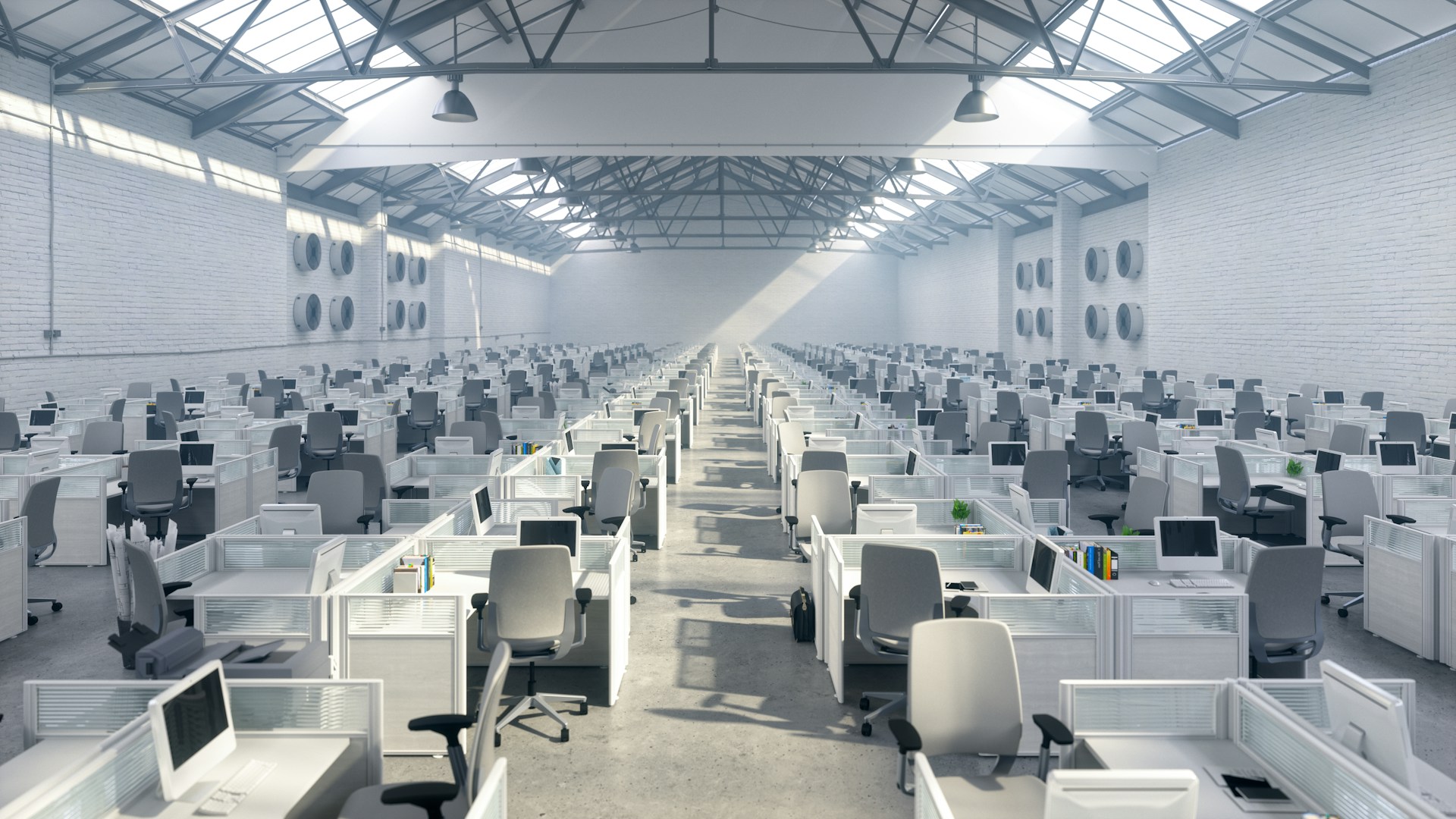
Traditional office suites are built for business teams that spend most of their time on computers or in meetings. This setup suits those running calls, sending emails, or working with paperwork all day.
- Most suites come with private offices, front desks, and meeting rooms for team conversations or client visits.
- Shared spaces like kitchens and break areas give people a spot to relax between tasks or hold informal chats.
- Chairs, desks, and professional lighting are usually already in place, making it quick to get set up. It’s an environment that supports quiet, organized work with minimal movement of goods or equipment.
If your business doesn’t involve moving inventory, shipping products, or handling tools on the regular, a standard office likely does the trick. Everything is built to keep things focused, contained, and ready for day-to-day desk work.
What Makes a Flex Space…Flexible
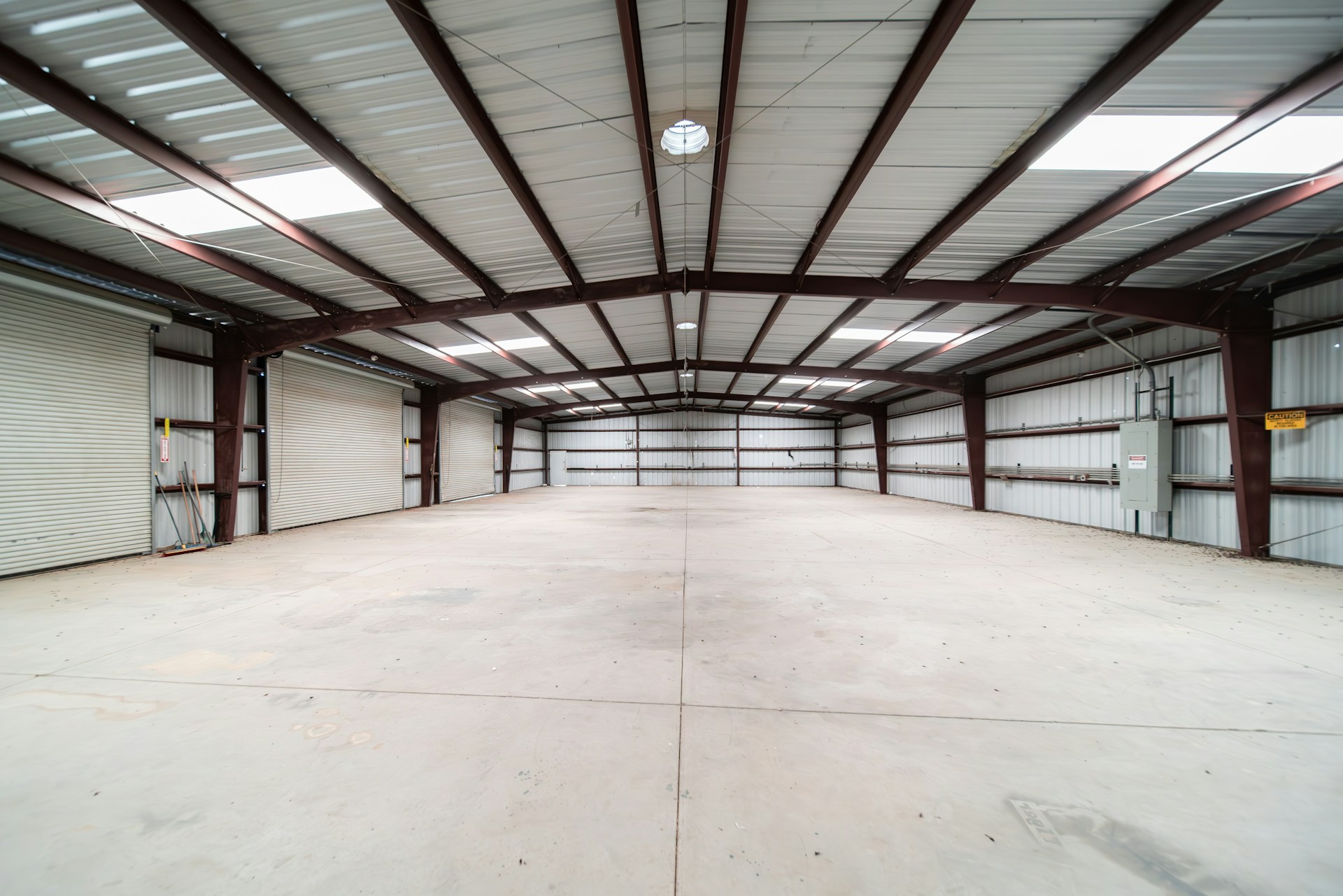
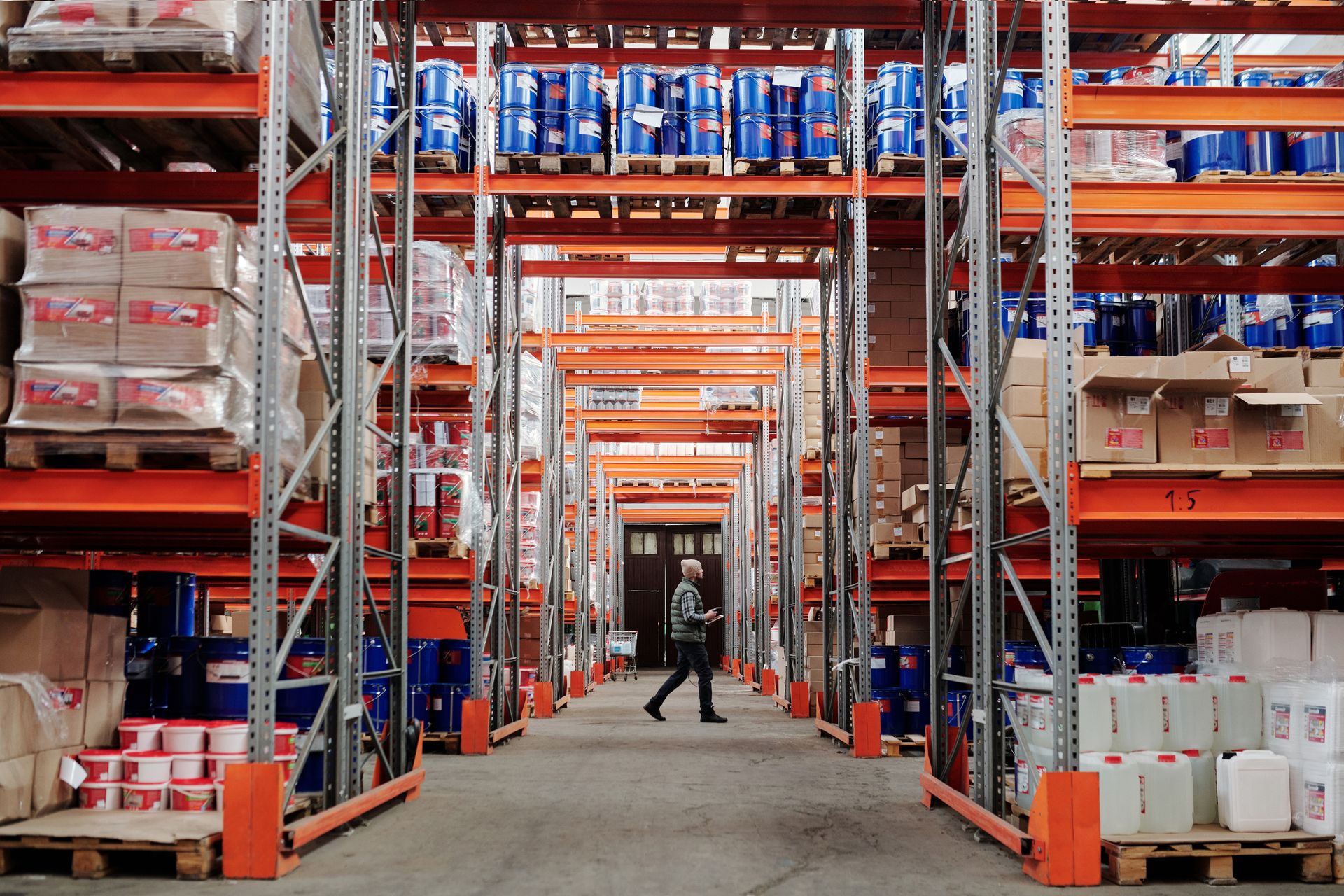
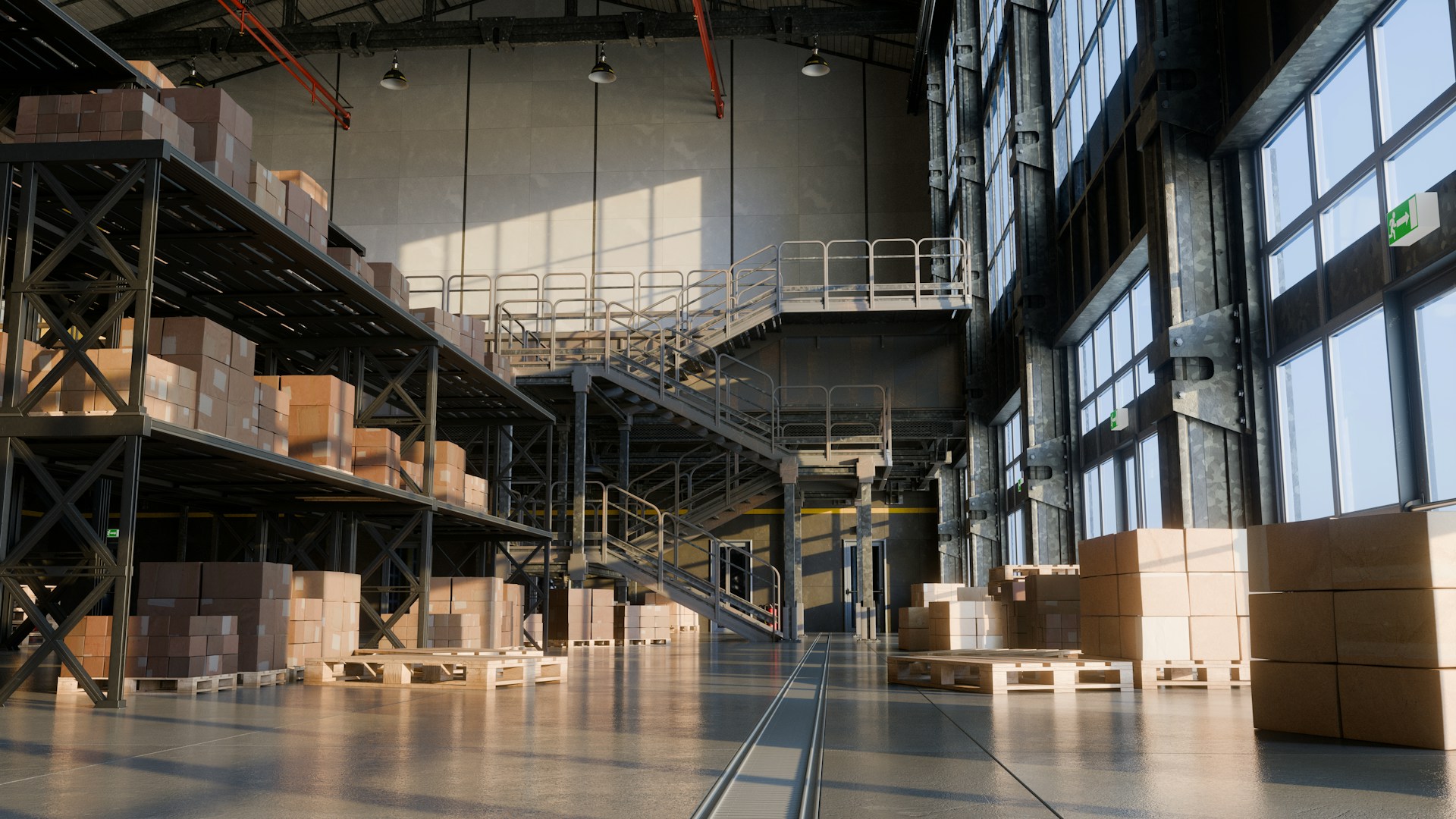
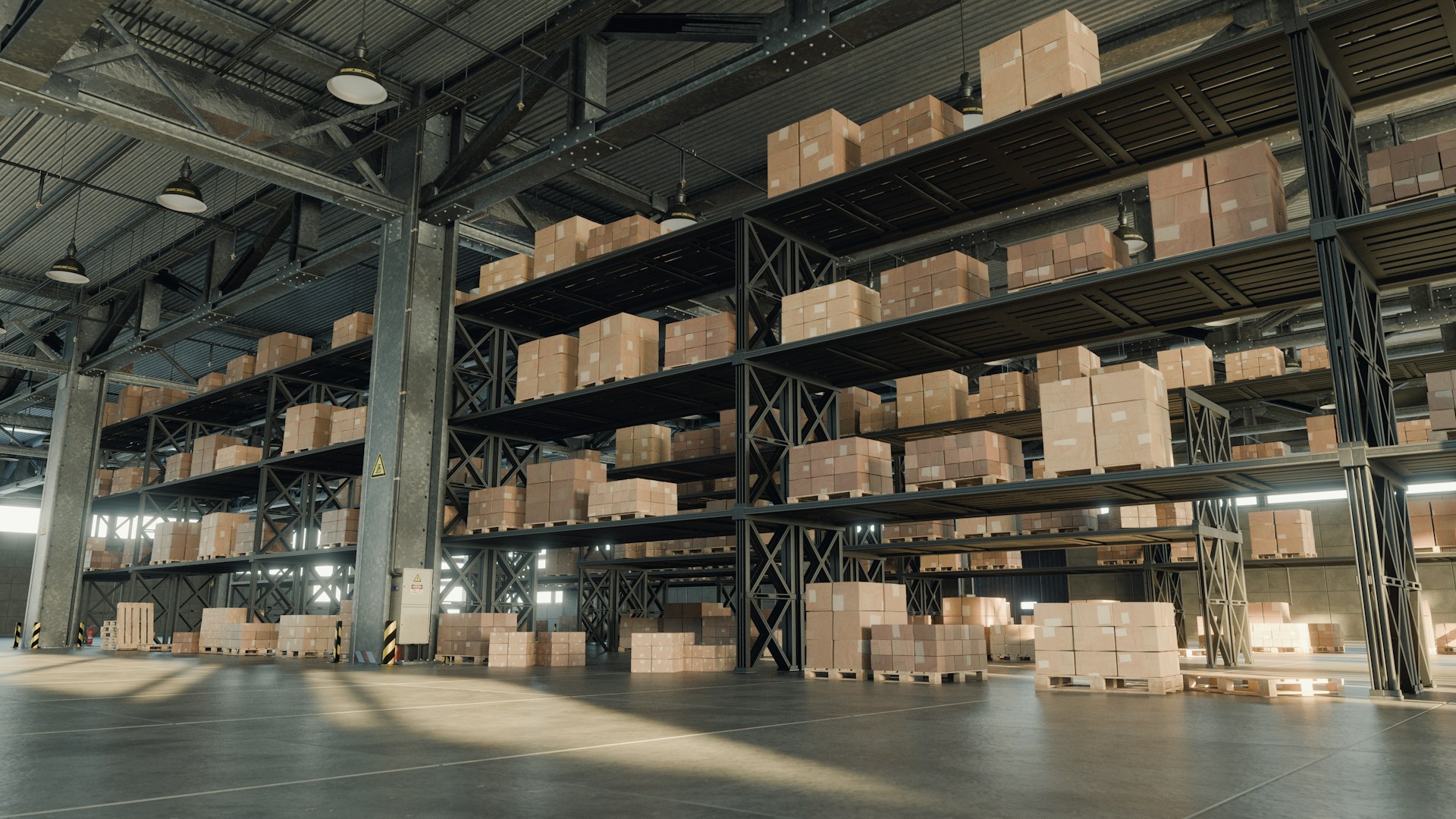
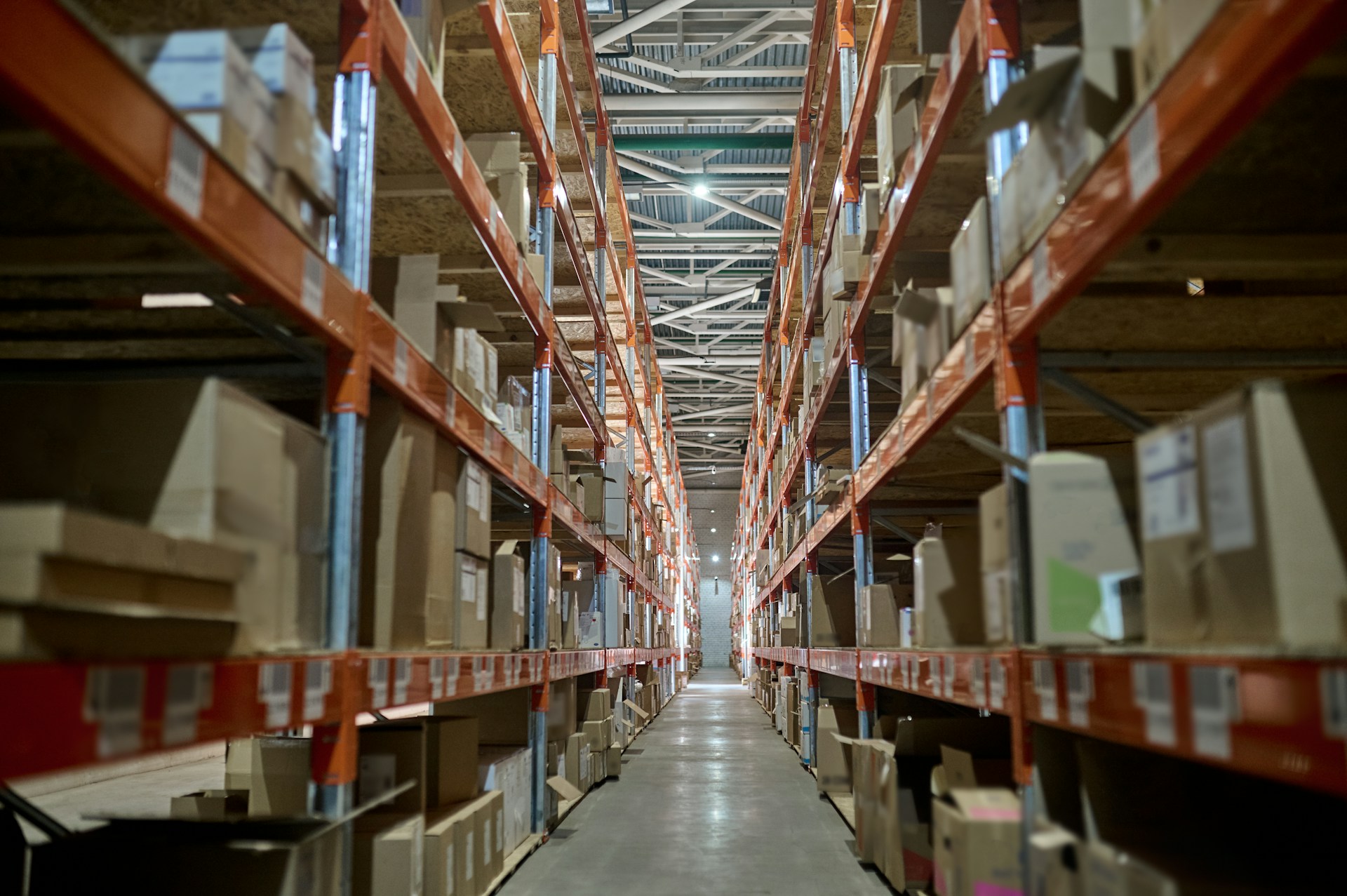
Warehouse flex space is built to handle both office operations and physical work in one place. That’s useful if you need to move gear around, handle customer orders, or pack and store items during the day.
- These spaces blend warehouse-style features with business basics, so you’ll often see offices right next to wide-open storage areas.
- Some flex locations come with loading docks, tall ceilings, or drive-up access (handy for deliveries, pickups, or fitting in taller shelves and equipment).
- Many have open floor plans that can change down the line, perfect for businesses that feel a growth spurt coming or want to rework their space as the team changes.
HiveHub’s Doral, Florida, flex spaces are designed with open layouts, secure office suites, ground-level loading docks, and shared amenities so teams can move between meetings, storage, and fulfillment without changing locations.
Warehouse flex space gives businesses pivot room to grow, shift, or mix different work styles under one roof. That’s hard to do in a regular office, where walls get in the way and there’s not much wiggle room for physical work.
Comparing How These Spaces Work Day to Day
A big difference between flex space and an office suite is how the space feels when you’re in it. Each one plays to a different kind of workday.
- Office suites run quieter. They’re set up for focus time, private calls, and steady desk work without a lot of movement.
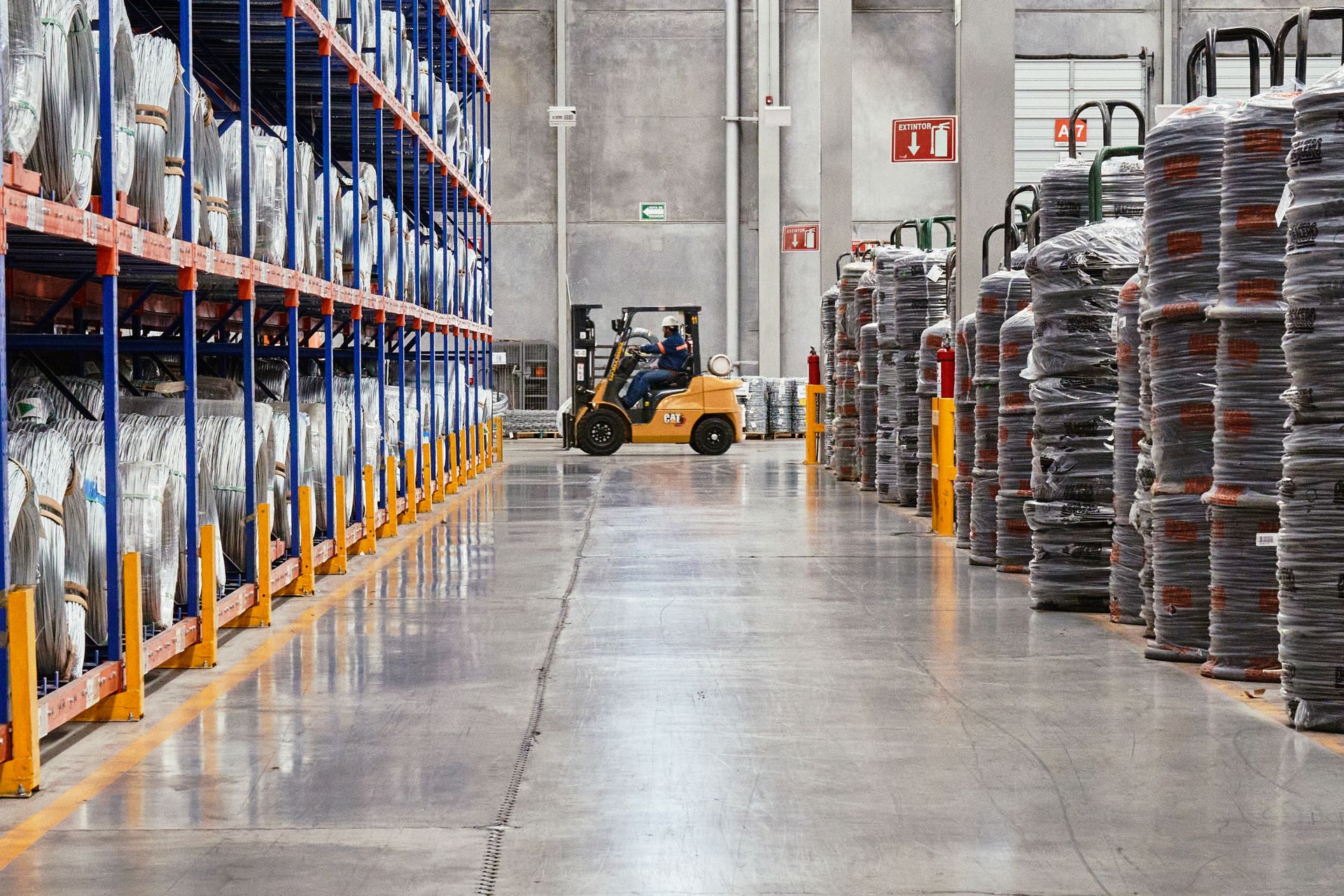
- Flex spaces are more built-out. You can stock items, run machines, prep shipments, or meet in the office all without switching buildings.
- One space thrives on calm, the other runs better with motion. Some businesses need both, especially when operations depend on shipping, tools, or quick product turns.
Think about your daily routine. If desks and whiteboards do most of the job, then a traditional suite gives structure and support. But if your team is constantly moving supplies, meeting vendors, or juggling boxes and laptops, then flex space offers that kind of versatility.
Who Might Need Warehouse Flex Space the Most
Flex space helps when your work goes beyond paper and laptops. It’s especially useful for small businesses keeping a foot in both the office world and the physical world.
- Ecommerce shops that pack and ship from the same spot need space that can hold both inventory and staff.
- Local service providers might run a front office for paperwork and use the back area for storing gear or project materials.
- In places like Doral, Florida, where shipping and logistics matter, a flexible setup can help cut back on travel time and let work flow better under one roof.
Every small business has its own rhythm, and when that rhythm calls for both meeting clients and storing product, flex space fits better than a space built for just one kind of task.
The Right Fit Depends on How You Work
Choosing between a traditional office and warehouse flex space depends on how your business works behind the scenes. Office suites favor structure, quiet, and digital work. Workflows stay clean, and the space stays neat. They work great if you’re working mainly from a desk and holding scheduled meetings.
Warehouse flex space works differently. It gives air to move around, space to stock or fix things, and still room to sit down and get laptop work done. It’s a better fit when your daily tasks change from hour to hour or you deal with both customers and products within the same workday. When the space matches the way you work, the work just runs smoother. Each option has its place, it just depends on what keeps your business moving.
At HiveHub, we understand how important it is for small businesses to have a workspace that adapts to your daily needs. From storing products and packing orders to hosting team meetings, the right environment can make all the difference. When your workday shifts between desk time and hands-on tasks, a warehouse flex space can offer the balance and flexibility your business needs, especially in places like Doral, Florida, where efficiency matters. Reach out to our team today and see how we can help your space work smarter for you.