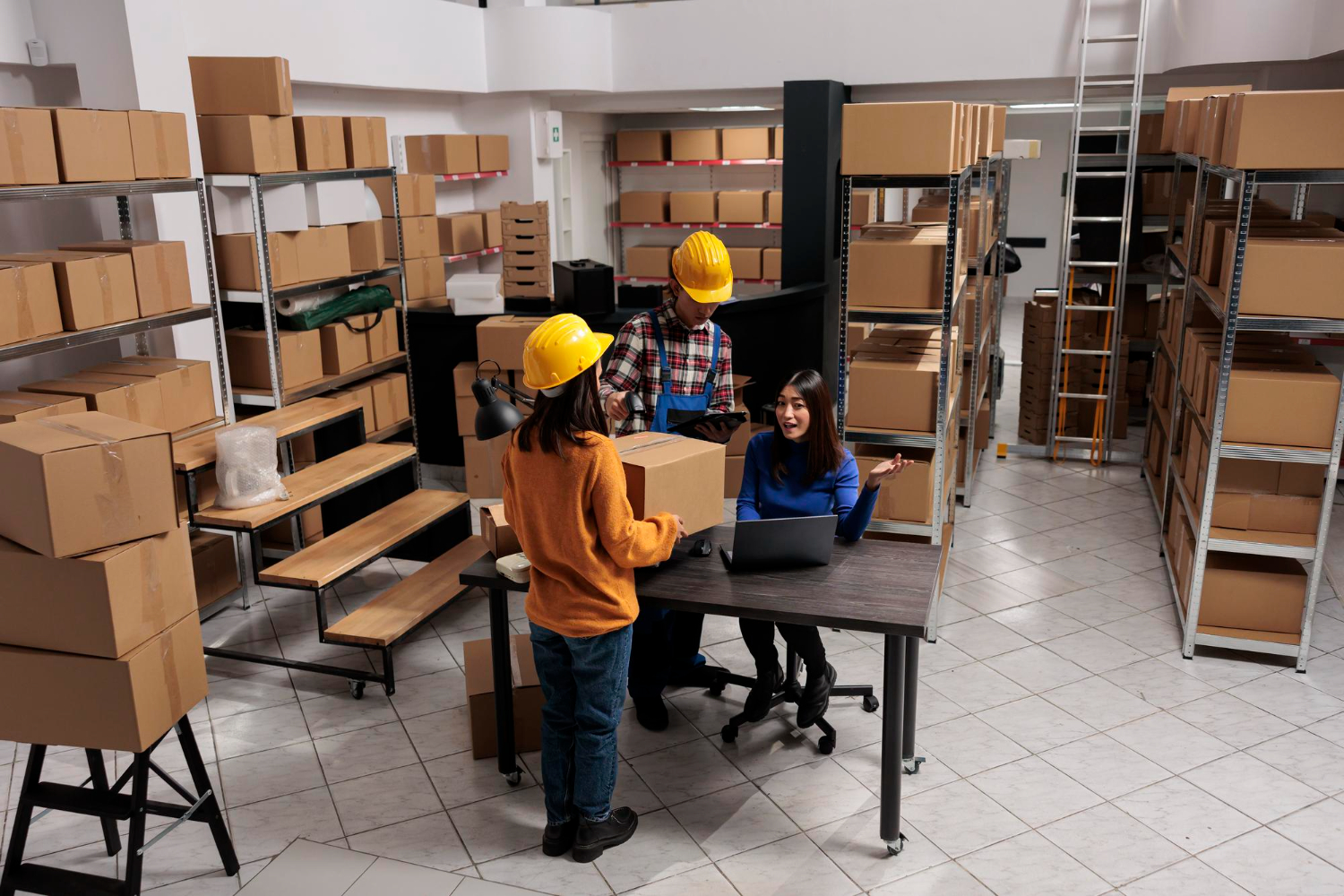
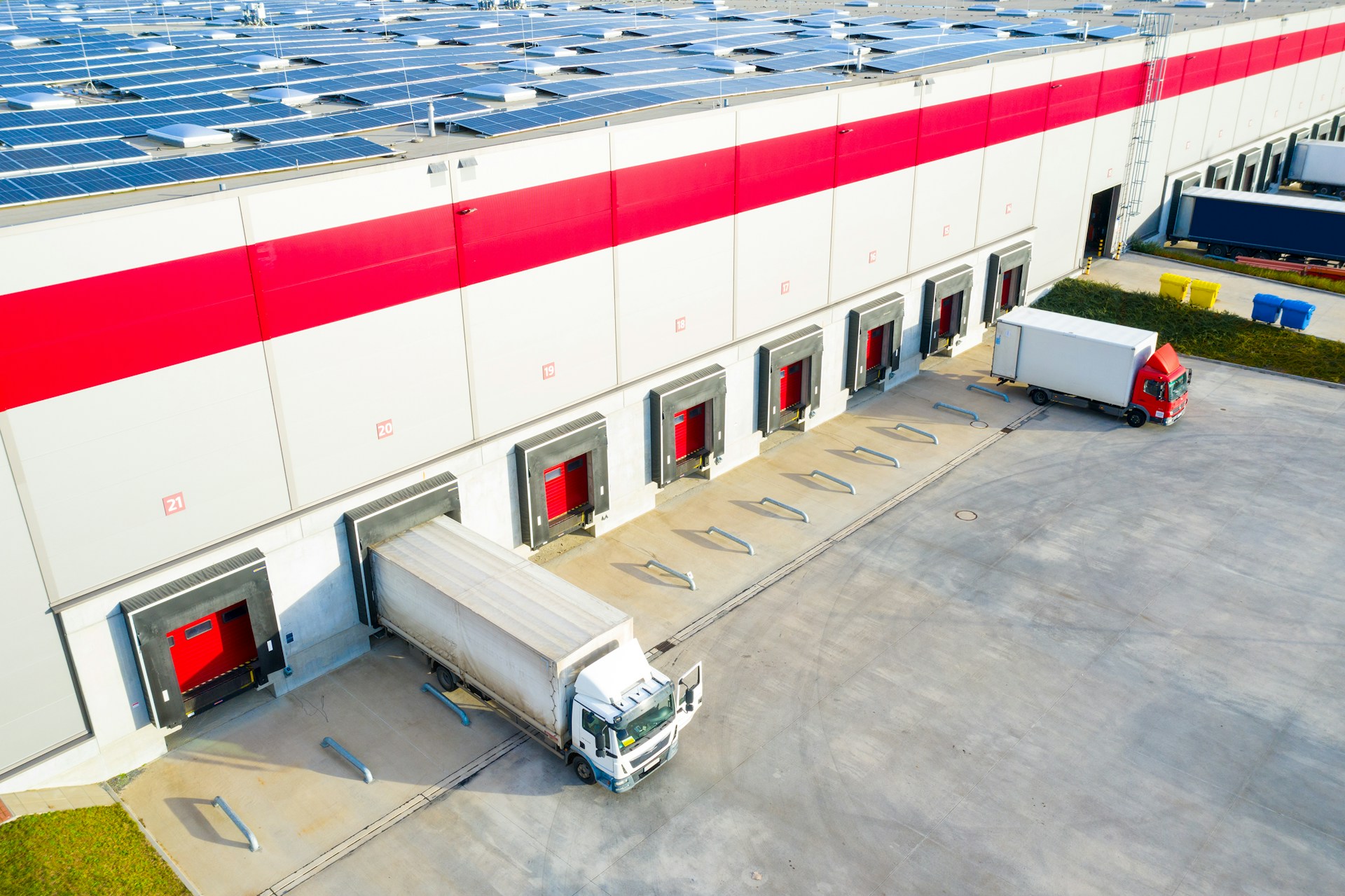
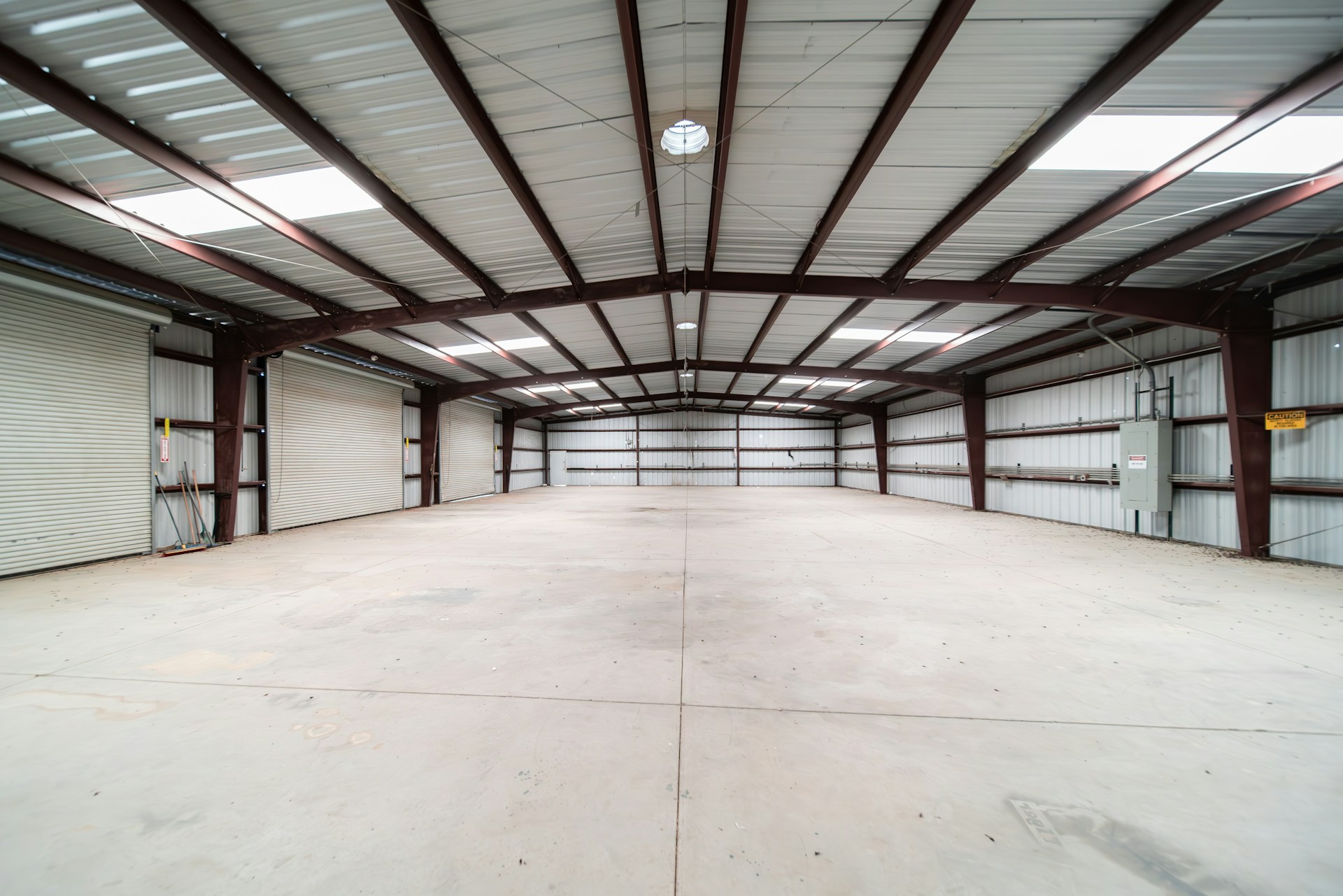
Running out of floor space doesn’t always mean you’ve outgrown your warehouse. Many operations leave usable storage space sitting above their heads. Maximizing vertical space is one of the easiest ways to improve efficiency without relocating or knocking down walls. By using height instead of expanding square footage, businesses can better store and move goods.
Whether you’re working with pallets, boxes, or equipment, the way your space is laid out makes a big difference. When planned right, vertical storage helps streamline workflows, cuts down clutter, and creates breathing room for future growth. Using your full vertical clearance can reduce the chance of delays or inventory issues during busy seasons.
Effective Shelving Solutions
Shelving is the backbone of a well-organized warehouse. But choosing the right kind of shelving takes more than just stacking items wherever they fit. It’s about creating systems that support your current inventory needs and can grow with you.
Start by assessing the type and size of products you handle most often. For heavy loads, selective pallet racking is a solid choice—it’s sturdy, gives good visibility, and keeps each pallet easy to access without having to move others. For lighter or hand-picked goods, wide-span or boltless shelving may offer the flexibility and access you need.
Here are some key things to keep in mind when choosing shelving:
– Match the type of shelving to your inventory’s size, weight, and handling needs
– Double-check your warehouse’s height limitations, including sprinkler and lighting clearances
– Choose adjustable options to reconfigure the layout as your inventory changes
– Label each rack with its weight limit so staff stay informed
– Never overload shelves beyond their rated capacity
Durability is just as important as layout. Lower-grade shelves can sag, shift, or buckle, leading to damaged goods or injury. Steel systems do better in high-use environments, especially in humid areas like Miami. Untreated materials can wear down quickly when exposed to moisture, which is why material choice matters in South Florida warehouses.
We’ve seen how better shelving pays off. One local auto parts supplier upgraded to heavy-duty mesh-backed racks for better airflow and visibility. This change sped up item retrieval and reduced product damage. Matching your rack setup to your everyday workflow helps the team stay safe and productive.
Utilizing Mezzanine Floors
If your warehouse ceilings are quite high—around 16 feet or more—a mezzanine could be one of your best tools for increasing capacity. A mezzanine floor adds another working level between floor and ceiling without expanding your space outward. It’s like adding a second story inside your warehouse.
Mezzanines work well when you have lots of overhead space but limited room near the ground. They’re great spots for seasonal goods, extra stock, or even break rooms or small offices.
Before moving forward, plan around these factors:
– Can your foundation and supports handle a mezzanine’s weight?
– Are local permits or inspections required before construction?
– Will staircases or lifts interfere with existing workflows?
– Do lighting and ventilation need to be updated for the added level?
Mezzanine products come in ready-to-assemble styles or can be made to fit your unique layouts. Some systems also allow storage or lockers underneath, giving you full use of both the upper and lower sections. Just like with any other structural change, safety matters. Add guardrails, toe boards, and clear markers to help your team stay aware and protected.
Though it takes some planning, a well-built mezzanine helps stretch your warehouse capacity at a lower cost than finding new space—especially in packed commercial areas like Doral or Miami.
Smart Storage Equipment
After you install the right shelving or build out a mezzanine, your storage system still needs one more piece to work smoothly: the equipment to access everything.
Vertical storage only works well if your teams can reach stacked items easily and safely. This is where things like forklifts, pallet jacks, and lift machines come in. Pallet racking systems support large, heavy loads but need equipment that can transport those pallets without problems. It’s important to match your gear’s lifting power to your rack specs.
In warehouses with narrow aisles or taller configurations, reach trucks or narrow-aisle forklifts save space while allowing access to higher storage. For picking individual items, vertical lifts or stackers can help employees retrieve goods from different shelf heights without using ladders.
When using vertical gear, always think about safety:
– Keep all lifting machinery serviced to prevent sudden stop or drop issues
– Train your operators on weight limits and how to handle equipment safely
– Mark traffic zones around lift-use areas so everyone stays alert
– Use netting or bars across high racks to catch falling items
– Maintain required clearances around ceilings, sprinklers, and lighting
A great example comes from a Doral-based operation moving cleaning supplies. They upgraded from basic hand carts to a rolling order picker. Team members no longer had to climb steps or wait for backup when grabbing goods from high shelves, which saved time and boosted safety for everyone.
When you tie together smart gear and vertical infrastructure, handling tall storage becomes part of your business strength—not an everyday obstacle.
Maintaining an Organized Layout
After installing racks, building out storage levels, and adding access equipment, one thing keeps everything running smoothly: good organization. Even the best systems fall apart if the space is messy or hard to follow.
Crowded aisles and items shoved in the wrong places don’t just slow people down—they create safety risks and strain your crews. Team members can get frustrated searching for misplaced stock or navigating around clutter, which leads to slower order fulfillment.
Keep the warehouse flowing with a few simple layout habits:
1. Group zones by product activity. Store popular items lower or in easier-to-reach spots.
2. Use large, color-coded labels and signs so staff can spot areas at a glance.
3. Run inventory checks and audits before busy seasons begin.
4. Store heavier bulk supplies closer to the ground whenever possible.
5. Leave clear staging zones by shipping areas to avoid blocking key paths.
Even habits like labeling shelves, putting tools back in place, and marking drop zones add up over time. You’ll notice a smoother operation and fewer delays when everyone knows where things go and how traffic should flow inside the space.
The holiday season in Miami may not bring snow, but it does bring product surges and fast shipping needs. Staying ahead during these times starts with a clean and navigable setup that doesn’t slow your crew down.
Making the Most of Vertical Storage in Doral and Miami
Square footage matters, but how you use height makes the real difference. Having storage that works up instead of out gives growing businesses staying power in competitive areas like Doral and Miami.
Vertical storage solutions—like specialized shelving, mezzanines, and smart tools—offer ways to add more room without moving locations. Local demand and high lease rates mean that space is precious, so thinking upward is more than just practical. It’s often necessary.
With the right mix of design, equipment, and habits, today’s operations can stretch what’s possible inside one building. And tomorrow’s needs are easier to manage when your space already has built-in flexibility. Whether it’s scaling around seasonal waves or improving daily order flow, building vertical gives you that extra room to move without needing a new zip code.
When your warehouse space in Miami or Doral works smarter from floor to ceiling, everything from safety to shipping gets a lot easier.
For businesses looking to make the most of their storage area, utilizing vertical space can be a transformative strategy. This approach enhances workflow efficiency, prevents unnecessary relocations, and accommodates growth. If you’re looking for a warehouse with storage space that supports practical storage upgrades in Miami, HiveHub is here to help you move forward with confidence.