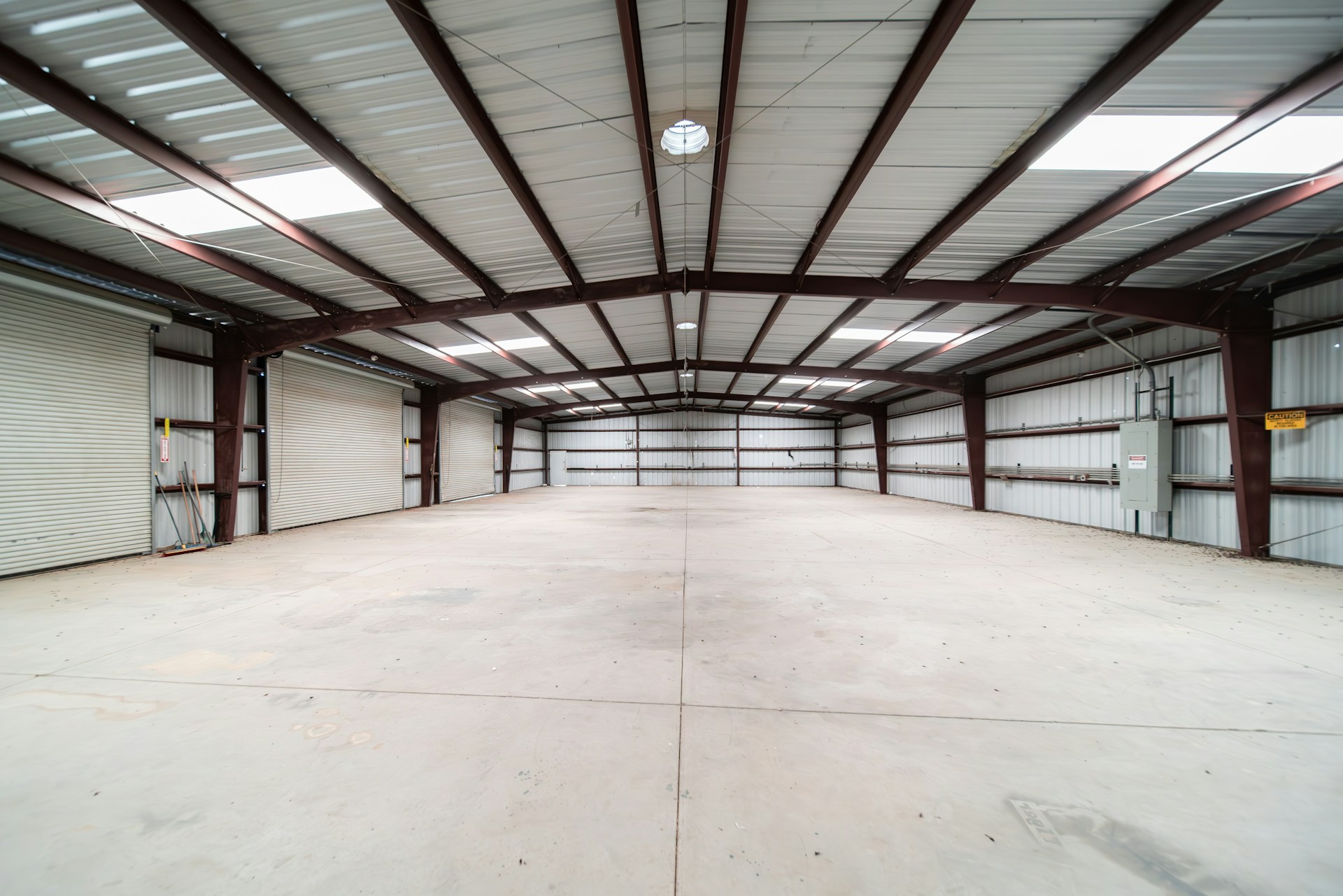
When space starts feeling tight in a growing business, it’s usually a sign that storage and office functions aren’t playing well together. Papers pile up, boxes creep out of corners, and suddenly your desk looks more like a warehouse floor. For teams trying to stay focused, this kind of setup makes daily tasks harder than they need to be. That’s why combining office space with storage use is picking up steam among smaller businesses in places like Doral.
Instead of keeping things scattered or renting two separate spots, one smart option is to bring storage and working areas together in the same unit. It saves time, helps organize tools and materials, and gives teams room to work without being buried in clutter. Thoughtful space planning can do a lot more than just clear walkways. It can improve how people move, think, and get their work done every day. Whether you’re a distributor, an online seller, or a service provider with gear to store, planning your space better means fewer headaches later.
Why Combining Office and Storage Space Is Smart
Packing employees into one area and stashing supplies in another might sound efficient, but having a split setup often wastes more time than it saves. Small and mid-sized businesses that want to move products quickly, meet with clients, or store tools safely need everything within reach. Putting office and storage in one combined space gives you that access.
Here’s why it works:
– Better use of square footage: Instead of having dead zones filled with random items, every corner can serve a real function.
– Smoother workflow: Teams stay in sync when files, supplies, and tools are nearby. No more walking across a lot or driving to another unit to grab what’s needed.
– Practical cost control: Paying for one lease instead of two, with shared utilities and security, often helps companies stretch their budgets farther.
It also helps create a more focused, productive feel at work. Think about a small construction company with one or two office workers, plus gear used on jobs. If the gear is in a totally separate building from the team, things get messy fast. But when you place the office right by easy-to-access storage, tasks just connect better. You can plan projects, print labels, prep tools, and head out all from one location.
When done right, mixed-use setups turn regular buildings into busy little hubs. People get more done, need less back and forth, and can grow into the space without needing to uproot everything a few months later.
Practical Layout Ideas That Actually Work
It’s not just about shoving a desk next to shelving. The best office-storage layouts are based on how teams use space day in and day out. Some businesses need clear walkways for pulling items quickly. Others may only see clients sometimes but need a quiet spot for paperwork. There’s no one-size setup that works for everyone, but here are a few layout ideas that adapt well.
1. Open areas with defined storage zones
For businesses that manage orders or materials daily, having an open floor with clear zones often works best. You can keep shelves or product bins to one side, while desks and computers take up another corner. Rugs, divider panels, or painted lines on the floor help split up the work zones visually without building permanent walls.
2. Modular units
These combine work surfaces, cabinets, and walls into movable parts. They let you change the space as your team grows or shifts focus. If two people need full-time desks this season and next quarter you need more room for packaging, you can reconfigure the modules as needed.
3. Vertical storage
Shelves, racks, and mezzanines keep your floor area open while stacking things upward instead of outward. For example, if you store boxed products but don’t use them hourly, placing them in raised shelving clears valuable working space below. Always check the ceiling height first, though.
Even something simple like placing the most used items near your desk while storing bulkier ones in less-accessible spots can make a big difference. A smart layout removes daily friction. You don’t want staff tiptoeing around crates to grab a pen. You want them steady and smooth from start to finish.
Key Features To Look For In Storage Units With Office Space
Finding a setup that works for your business isn’t just about space. It’s about making sure the right features are in place for your team to stay productive and your operations to run smoothly. In Doral, where access and environment can play a big role in daily logistics, choosing the right combined space makes a difference.
Start by considering location. If your team is constantly on the move, making deliveries, handling client visits, or shipping goods, the space should be close to major roads. Easy access cuts down on time in traffic and helps things run more on schedule. It also matters for vendors, customers, or drivers dropping by on a regular basis.
Next, think about what’s inside the space. You want a unit that offers:
– Climate Control: South Florida heat can be tough on electronic equipment, printed materials, and certain types of stock. A controlled temperature helps protect items and gives your team a more comfortable work environment.
– Security Features: Look for places with cameras, gated access, alarm systems, and strong locks. You’re not only storing products you’re housing computers, paperwork, and sometimes valuable equipment.
– Shared Amenities: Having a clean restroom, a break space, internet access, and a loading dock nearby can streamline daily tasks. These small comforts and resources save time and keep your people happier during long shifts.
The right mix of office plus storage should make your daily routine easier, not harder. Whether you’re storing packages, products, supplies, or equipment, everything should feel within reach without needing to shuffle across town or juggle two different leases.
Tips For Choosing The Right Space In Doral
Making a decision on a work and storage space isn’t something to rush through. The way your team works now and how it might change in the future should guide your choice. One of the best ways to start is by making a basic checklist of your daily needs.
Here’s how to move smart before signing anything:
1. Know your goals
Ask yourself how much square footage you need now and what you might need in the next year. Are you adding staff? Taking on more inventory? Having a clear picture of the direction your business is heading helps you avoid growing out of your space too soon.
2. Walk the space if you can
Photos might look great, but nothing beats walking through the unit. Open doors and cabinets. Check the wiring. Look at how sunlight hits the work areas. Think about how your team will move around during a regular day. If you feel cramped or scatterbrained just walking through, it’s probably not going to work long term.
3. Ask about customization
Some landlords let renters bring in partitions, signage, shelves, or other adjustments to better suit what you need. Others are more strict. Knowing your limits ahead of time helps avoid future headaches.
4. Factor in your budget but not just the rent
Make sure you understand all the costs. Are internet, maintenance, and AC controls included? Does the lease cover access to restroom facilities and shared areas?
Planning now saves a lot of stress later. The better you know the space before signing, the easier it becomes to settle in and get working right away.
Simplify Your Move For Better Results
Once you’ve found the right spot, the next step is getting all your operations into it with as little slowdown as possible. Moving doesn’t have to take forever or tank team morale when done with a smart plan in place.
Before anything lands in the new space, clean it out. Get rid of dust, old leftovers from previous tenants, or anything that could slow down your setup. Then map out where your desks, shelves, and boxes will go. Label everything and spread out floor markers or notes showing where each item belongs.
Try breaking the move into phases. For example:
– First, move over non-urgent storage. These could be items you won’t need for a few days.
– Next, shift over workstations and office equipment over a weekend, so Monday can start fresh.
– Last, move daily-use inventory or tools that keep operations going.
Once you’re in, expect a little adjustment time. Test out where things are. Pay attention to slow-down points. If people are bumping into storage racks every time they go for coffee, those racks might need to move. The goal is a setup that makes everyone’s workday quicker and easier, not more frustrating.
Find Spaces That Work As Hard As You Do
Running a business in Doral means staying quick on your feet. You can’t afford to waste time zigzagging between a work site and a faraway storage unit or trying to make a tiny office serve too many roles. Finding one space that handles both your storage and office needs gives you better control, better efficiency, and a better shot at growth.
Whether your business revolves around physical products, service tools, or just a lot of equipment, putting the right systems in place starts with the right layout. Know what your workday really looks like, match that with what your future might hold, and select a space that covers all your needs without getting in the way.
Creating balance between storage and workflow, between space and budget, will make the everyday stuff easier. And when the everyday parts run smoother, it creates more space and time for the big ideas to grow.
Finding a space that works for both your office tasks and storage needs can make your day smoother and help your business grow stronger. Explore what’s possible with HiveHub and see how flexible setups can work for your goals. To get started, take a look at our options for storage units with office space near me. Create a space that supports your team and moves your business forward.