It doesn’t take long for a small-bay warehouse to start feeling packed. You start with a few pallets, add a couple more racks, maybe pile inventory just for the weekend, and suddenly you’re squeezing past boxes to get to the loading area. Items get lost, delays happen, and the space that once felt manageable starts to work against you. For small and growing teams in Doral, staying ahead of that clutter makes a big difference in how smoothly everything runs.
A lot of small warehouses were set up quickly to meet short-term needs. But when business grows faster than expected, these spaces get pushed beyond their limits. The good news? You don’t need to move out or knock down walls to make things work better. With the right planning and a few layout tweaks, your small-bay warehouse can handle more without feeling crowded.
Optimal Space Utilization Strategies
Before bringing in any new shelves or storage tools, it’s worth rethinking how space is being used right now. A lot of the time, the square footage isn’t the problem. It’s the layout. When space is tight, every unused corner or missed vertical area adds up.
For starters, look up. Installing taller shelving that reaches toward the ceiling can help you reclaim space that’s often ignored. Just make sure the floor and structure can support the added height and weight, and that you still have safe clearance for forklifts or ladders. With vertical storage, you get more inventory off the floor and open up pathways to move around.
Modular shelving is another way to use space smarter. These units can adapt as your storage needs shift. One season you might need larger compartments for bulky gear, while the next you could swap them out for tighter bins to hold smaller parts. Flexibility goes a long way when your layout needs to change without a total overhaul.
Stackable bins also deserve a spot in any small-bay setup. They keep things grouped and easy to move, especially when labeled clearly. When placed on shelves or mobile carts, they cut down on air space gaps and make inventory easier to grab.
Here are some quick layout ideas to consider:
1. Mobile shelving units that can shift open or closed based on need
2. Rolling carts for frequently used items that move from one station to another
3. Pegboard walls for lightweight tools and gear, freeing up surface space
4. Packed zones near doors or shipping areas to reduce step count
5. Empty shelves near restock points so returning items doesn’t block traffic
By squeezing more out of every foot vertically and horizontally, your small-bay warehouse starts feeling bigger without actually adding square footage.
Efficient Inventory Management
Once your layout works better physically, the next move is organizing inventory in a way that keeps daily tasks flowing. Without a clear system, even a well-designed space can go downhill fast.
Labeling is the easiest win when it comes to staying organized. When everything is marked clearly—shelves, bins, rows, even walls—there’s less confusion and fewer wasted steps. You don’t need fancy tools for that to happen, just consistent labels that everyone on the team understands. Some places use large-print tags or color codes for different categories, and those small details help a lot when time’s tight.
Rotation matters too. Items that don’t move often can end up taking prime shelf spots just because they’ve been there longest. Rearranging your stock so quick-turn items are closest to shipping or packing stations cuts down on trips across the warehouse. This helps reduce congestion and makes replenishment faster.
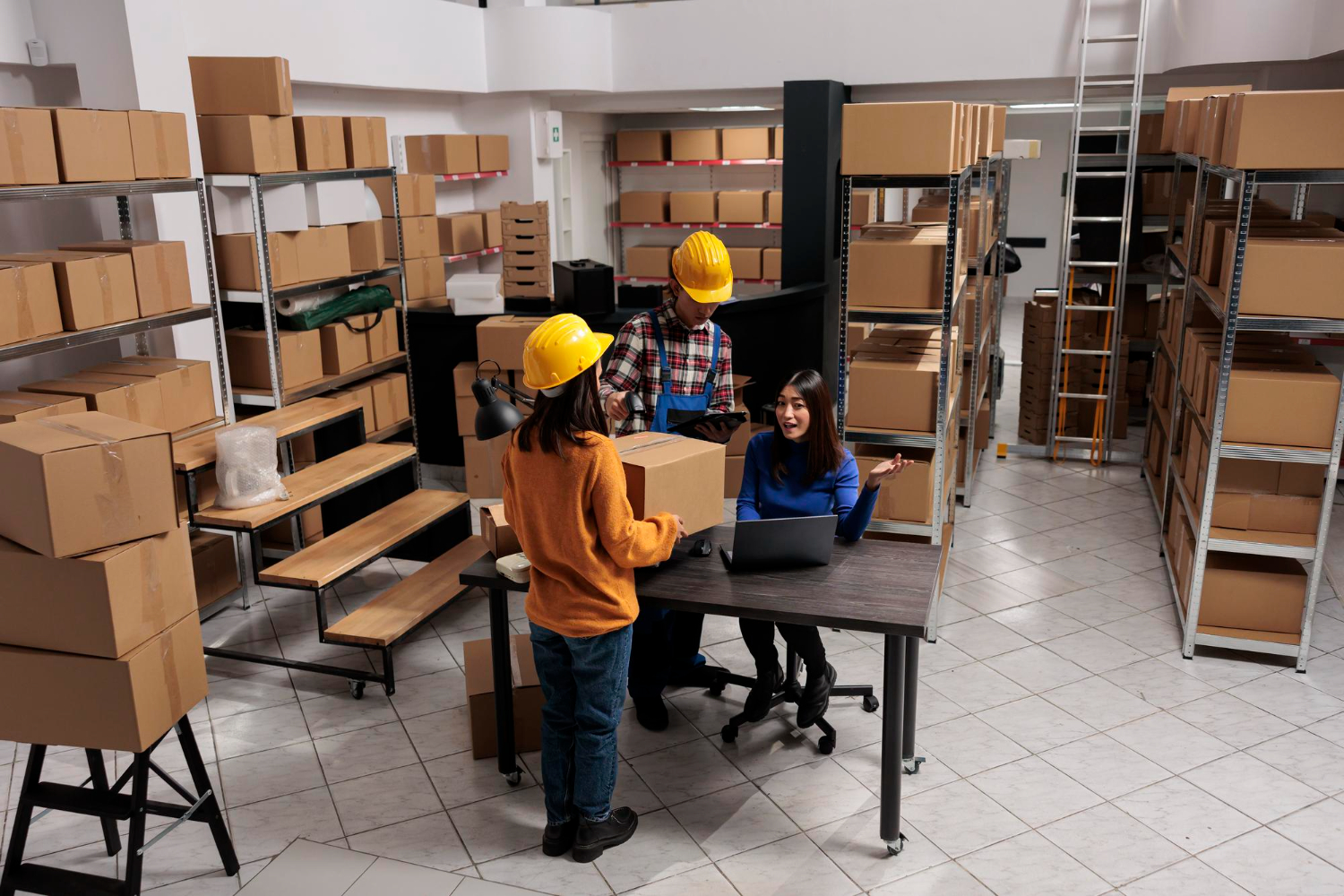
To really make the layout work for you, divide your warehouse into zones. That can look like:
1. A receiving area where goods get logged and stored before being moved
2. A main storage zone with labeled aisles or sections for different categories
3. A packing or prep zone near exits for all outgoing orders
4. A return area to regroup stock that comes back in
Zoning shows people where things should go without them having to ask or guess. It also breaks work into smaller, easier chunks so the space doesn’t feel like one big mess. Putting thought into how items travel from arrival to shipment makes everything more predictable and easier to manage.
Leveraging Technology For Efficiency
A small-bay warehouse runs smoother when technology plays a part in daily operations. Even modest setups can benefit from adding a few digital tools. With the right system in place, things like tracking stock or pulling orders become faster and easier to do.
Inventory management software is a good starting point. These platforms help you keep track of every item coming in and going out. Instead of working off a clipboard or memory, your team can see where things are stored and how fast they move. This not only cuts down on human error, it also saves time that’s usually wasted searching for missing parts or doubling up on orders.
Barcoding is another upgrade worth considering. You don’t need a high-tech solution to make a difference. A basic barcode system can help you organize shelves and track products accurately. If you decide to go a step further, RFID tags take this approach up a notch with hands-free logging and faster processing. Either way, your inventory becomes easier to find, manage, and reorder.
Automation doesn’t have to mean expensive conveyor belts or robots. Even simple batch scanning or digital checklists on tablets can help your team stay on task and avoid bottlenecks. For example, a Miami-based supplier made their picking process faster just by syncing tablets to their software. Instead of walking back and forth with handwritten pick lists, workers now check off orders as they go, saving time on every shift.
All of these upgrades help a small team work like a bigger one. When used the right way, even basic tech tools can unlock space, reduce mistakes, and make the day move a lot smoother.
Maintaining Organization And Safety
Keeping your setup safe and organized isn’t a job you do once and forget. It’s something that needs regular attention, especially in a compact space where it’s easy for aisles to get blocked or shelves to get overloaded.
Cluttered pathways slow things down and raise the chance of accidents. Every area that gets used daily—walkways, loading docks, packing tables—should be kept clear of loose items, boxes, and cables. It’s a good idea to assign someone the job of walking through and checking for obstacles at the start or end of the day. Even five minutes can make a difference in how the next shift flows.
Proper shelving also helps keep the space safer. Make sure tall racks are anchored to the floor or wall where possible, and heavy items are kept closer to ground level. Training staff on how to stack items right may seem like a small thing, but it goes a long way toward keeping storage areas neat and safe.
Here are some simple ways to stay on top of safety and organization:
1. Hold monthly safety reviews and include the full team
2. Set up simple checklists for restocking and cleaning
3. Use signs or tape to show where boxes, pallets, or carts belong
4. Swap out broken bins or tools instead of working around them
5. Group safety gear in one spot that’s easy to access
When everyone knows where things belong and steps are taken to stay clear and tidy, the warehouse becomes a more productive and safer place to work.
Reworking Your Space to Keep Up with Growth
Making a small-bay warehouse work better doesn’t mean starting over. Most of the time, it just takes a few adjustments to how space is laid out, how inventory moves, and which habits your team follows each day. Thinking vertically, introducing zones, and building clear routines all help your space grow with your business, even if the walls stay the same.
When teams treat space like a resource instead of just a place to keep stuff, they can manage it better and get more out of it in the long run. That kind of shift in thinking leaves room to grow, adapt, and plan without the stress that comes from tight quarters. Whether you’re reorganizing one aisle or planning for double the workload, the key is to make every part of your setup do its job without wasting energy, time, or space.
If you’re looking to enhance how efficiently your inventory moves and make the most of your available space, consider exploring a small-bay warehouse for rent through HiveHub. With tailored solutions built for growing businesses in Doral, our spaces give you the flexibility to scale your operations without skipping a beat.