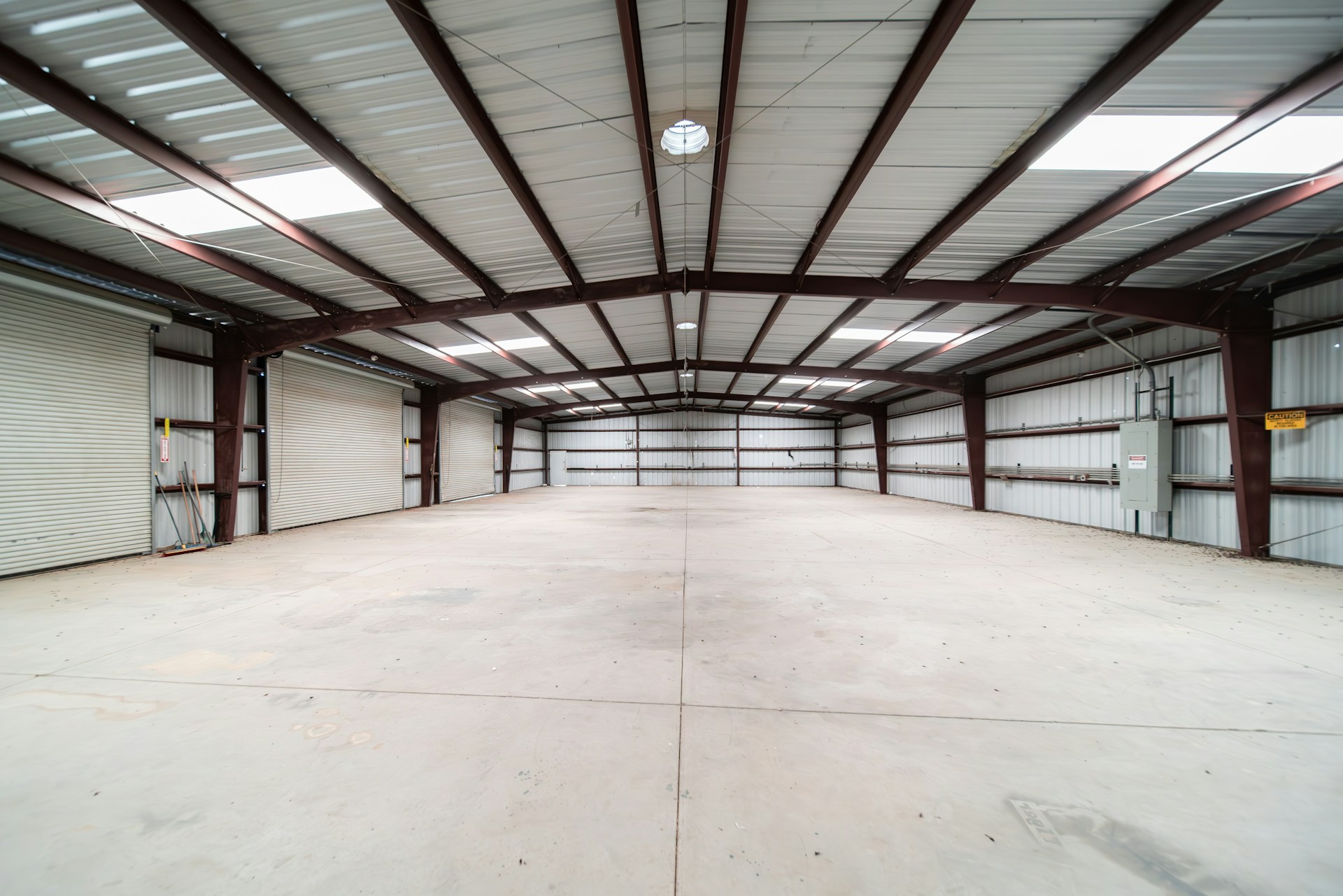
Finding the right storage setup for your business can be tricky, especially when you’re trying to grow without overcommitting. That’s where shared warehouse spaces come in. These spaces offer a more flexible way to scale by offering just the amount of room you need, when you need it. They’re especially useful for smaller businesses that aren’t ready to take on the expense and responsibility of a private warehouse. But these setups also come with shared responsibilities and potential conflicts between tenants.
If your business operates in a fast-paced location like Doral, Florida, then you already know how important it is to make logistics run smoothly. A shared warehouse space might sound like the perfect solution, but working alongside other companies under one roof brings some unique challenges. From space management to communication gaps, there’s a lot to think about before jumping in. Understanding what makes shared spaces work (or not) can help you make better choices and avoid headaches later.
Understanding Shared Warehouse Spaces
Shared warehouse spaces for lease are exactly what they sound like. Instead of renting or owning an entire warehouse, several businesses share the same building. Each tenant occupies a portion of the floor and uses shared loading docks, equipment, break rooms, and sometimes office spaces. This kind of setup is especially popular with smaller brands that don’t need a massive footprint year-round.
Here’s why shared warehouse space can be a smart move:
– It gives you room for flexibility if you have seasonal stock or temporary shipping needs
– You split costs with the other tenants, which can help you stay on budget
– Most spaces come ready to go with the basics already included, like shelves, receiving areas, and security
– If your operation grows, it’s easier to expand within the same facility or move to a slightly bigger space onsite
These spaces are popular because they offer a simple way to manage goods without locking into long, expensive leases. In a place like Doral, where warehousing is in steady demand, having the option to grow in place without relocating every few months is one less thing to worry about. But before you sign on, it’s worth considering what life looks like inside a multi-tenant warehouse and what kinds of issues may pop up.
Common Challenges in Multi-Tenant Warehouses
While shared spaces can make life easier, they’re not without bumps in the road. When multiple businesses operate under the same roof, it takes a solid setup and clear communication to prevent problems. Without that, it’s easy to run into delays or frustrations that affect your day-to-day operations.
Here are some frequent challenges that show up in these environments:
1. Limited Space Control – You won’t have free rein over the entire warehouse. If a neighboring business expands suddenly, things can start to feel a little cramped
2. Logistical Snags – Think about scheduled deliveries, shared equipment use, and clutter. If everyone isn’t on the same page, daily tasks can become frustrating fast
3. Security Concerns – With multiple people moving around, it gets harder to track who’s allowed where. Items can get misplaced, or worse, left vulnerable if precautions aren’t followed
4. Noise and Workflow Disruptions – Different businesses have different routines. One tenant may work quietly on inventory while another operates heavy machinery. These differences can clash
5. Shared Facility Rules – Every tenant might have a different way of working. Keeping things uniform requires a strong set of guidelines that all tenants follow. Without them, small conflicts can turn into real issues
An example of this might be a small packaging company that shares space with a wholesale beverage distributor. The needs of each tenant are very different in terms of space, layout, and workflow. If the distributor expands its receiving hours or starts taking up more loading zone time, the packing company’s operations get backed up. Simple things like scheduling truck arrivals through a shared calendar can stop this sort of issue before it gets out of hand.
Shared warehouse setups aren’t impossible to manage, but awareness is key. When you know the hurdles ahead of time, it’s a whole lot easier to stay organized and adjust your operations to run smoother.
Solutions to Overcome Space-Sharing Challenges
Solving space-sharing issues in a multi-tenant warehouse starts by building smart habits from the beginning. The goal is to respect the shared space, streamline operations, and avoid confusion between teams. That doesn’t mean things have to be rigid. With a few adjustments, businesses can run efficiently side-by-side.
Here are a few practical ways to handle challenges in shared warehouse space for lease:
– Create a shared schedule for shipping and receiving to avoid overlap and delays at the dock
– Use floor tape, signage, or partitions to clearly mark zones so no one crosses into another tenant’s area by accident
– Invest in basic storage aids like vertical racks or mobile carts to better utilize your assigned square footage
– Set recurring check-ins with other businesses in the space. Quick monthly chats can prevent miscommunications from building up
– Keep a shared log for damaged items or unusual activity. It builds trust and speeds up accountability when issues do come up
Technology can also play a big part in running a smooth operation. Digital tools that track inventory movement, schedule shipping slots, or assign tasks to teams can make day-to-day business more predictable. When everyone’s using the same resource and logging info with the same system, it cuts down on guesswork.
Clear policies also make a huge difference. From entry procedures to how shared gear gets used, having rules in writing helps stop problems before they start. If you’re moving into a new shared space, take time to ask about these expectations upfront. It’ll save you a lot of trouble later.
Why Choose HiveHub for Your Warehousing Needs
If your business runs out of Doral, Florida and needs flexibility without taking on a giant footprint, shared space can offer a smart middle ground. You’ll want somewhere that supports small and growing brands, keeps key amenities close by, and understands how to handle the moving parts that come with multiple businesses under one roof.
Look at what the location provides. Access to equipment like forklifts, shared office areas, and clean, organized loading docks make a real difference. Even something simple like parking space for delivery trucks can speed things up and reduce confusion.
It’s not only about the physical space either. A facility should support your operations with the right team and services in place. Whether it’s security, cleaning, or having clear terms for expansion, those details shape your long-term experience. The right space partners with you, not just rents out square footage.
Making the Most of Shared Warehouse Space
Once you’re set up, squeezing value out of your shared warehouse space depends on how you manage your day-to-day. Small moves can make big improvements in how your team works.
Try these approaches for better results:
– Group similar tasks together to avoid walking back and forth across the warehouse all day
– Keep inventory labeled clearly and in reachable zones to save time during order packing
– Get to know other tenants. Some may turn into partners, suppliers, or even new clients
– If you notice something broken or out of place in shared areas, report it right away. Clean, safe spaces are everyone’s responsibility
– Use quiet times to reorganize or do stock checks. It helps avoid crowding and keeps things flowing
An example of a smart adjustment would be a business that noticed the loading dock was full every morning at the same time. Instead of waiting, they shifted their schedule to afternoons and saved hours each week. It was a simple switch, but one that made a huge improvement.
Tailored Solutions for Your Business Needs
Running a business out of a shared warehouse in Doral comes with both convenience and responsibility. When done right, shared space can help you grow steadily while keeping costs under control. It takes a bit of planning and a willingness to work with others, but the payoff is having room to scale without outgrowing your setup.
A well-run shared warehouse gives you options. You don’t need to commit to something oversized or too rigid. Instead, you can test the waters, adjust as your business changes, and stay nimble without guessing what’s around the corner. With the right setup and strong habits, shared space becomes more than just a place to store goods. It becomes part of how your business moves forward.
If you’re looking for a smart way to scale your operations in Doral without the high overhead, HiveHub has you covered. Take advantage of shared warehouse space for lease and see how flexible storage solutions can support your business growth.