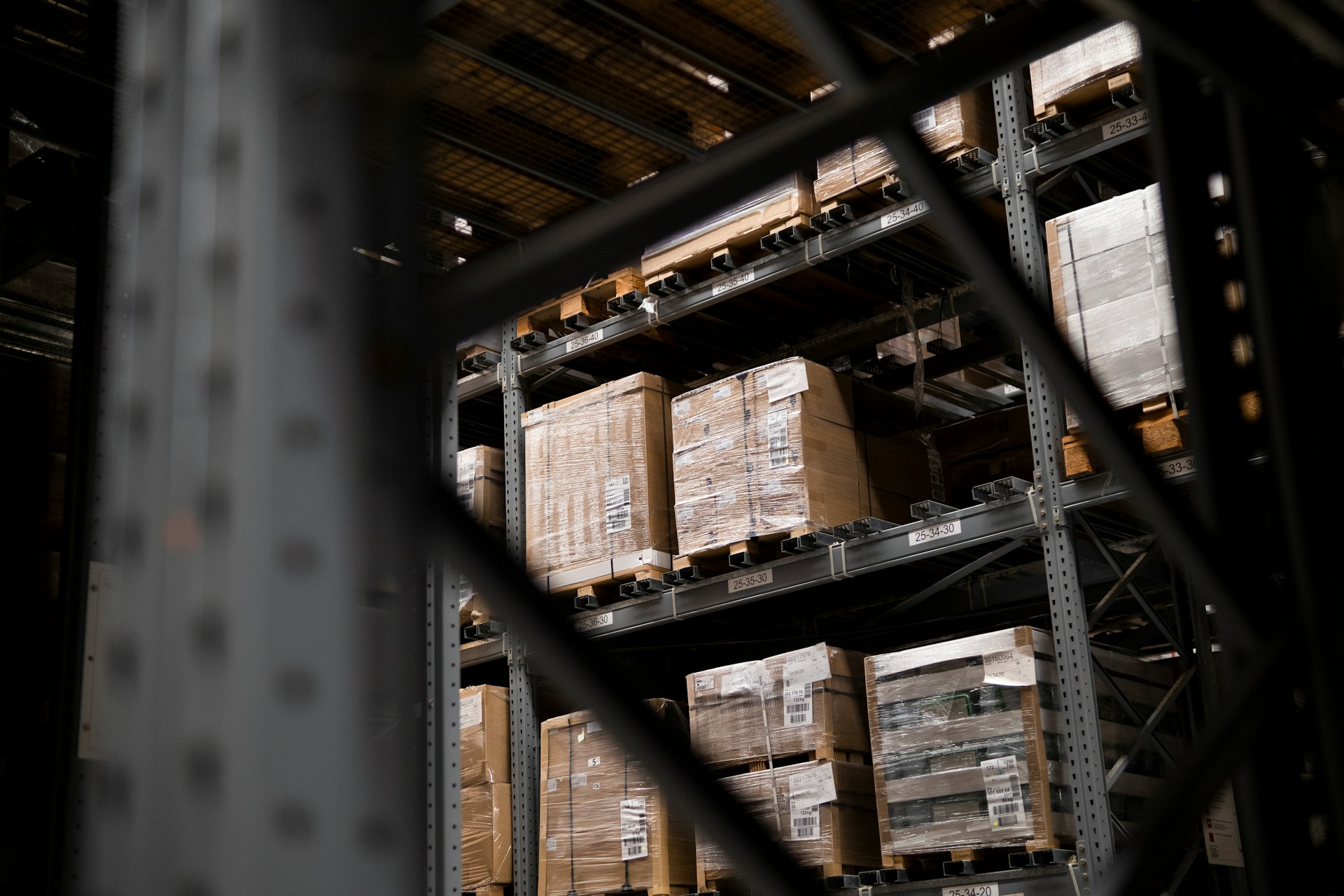
Spring has a way of speeding things up. Orders grow, shelves fill quickly, and suddenly we’re shifting items just to make room for the next batch. When that starts to happen, it’s not just about working harder, it’s about setting up smarter. That’s where the right storage space in warehouse setups can keep things flowing instead of falling behind.
Whether we’re based in Doral, FL or nearby Miami, FL, spring brings a natural push. New shipments arrive at once, early summer products begin showing up, and sometimes previous orders come in late. If we don’t have enough storage ready, things can get messy fast. We’ve seen how extra space and a good system help take the weight off during busy stretches and keep our daily work from turning into a scramble.
Staying on Top of Incoming Inventory
Overflow doesn’t usually happen all at once. It sneaks in with one shipment here, some new items there, and maybe an order delay we didn’t plan for. Before we know it, we’re stacking boxes where we used to walk and taking longer just to pull a simple item.
That early-season crunch hits especially hard in May, when spring shifts into a faster summer pace. We might see:
- New product lines arriving before older stock has cleared
- Big spring promotions ending and leftover stock hanging around
- A backlog of materials or returns showing up at once
Without space to sort or set things down safely, we risk crowding the floors and slowing the team. Having enough room helps us shelve things quickly, sort inventory by type, and keep traffic areas open. That way, no matter how full things get, we stay ahead instead of falling behind.
As each new load comes in, it’s easier to stay on top if we have two simple things: a place for overflow and a plan for moving items in and out smoothly. Sometimes, all it takes is a little extra room so we don’t feel boxed in. With the right storage approach, our workflow starts to feel less like a scramble and more like a routine, even on weeks with back-to-back shipments.
Keeping Orders Moving Without the Pileup
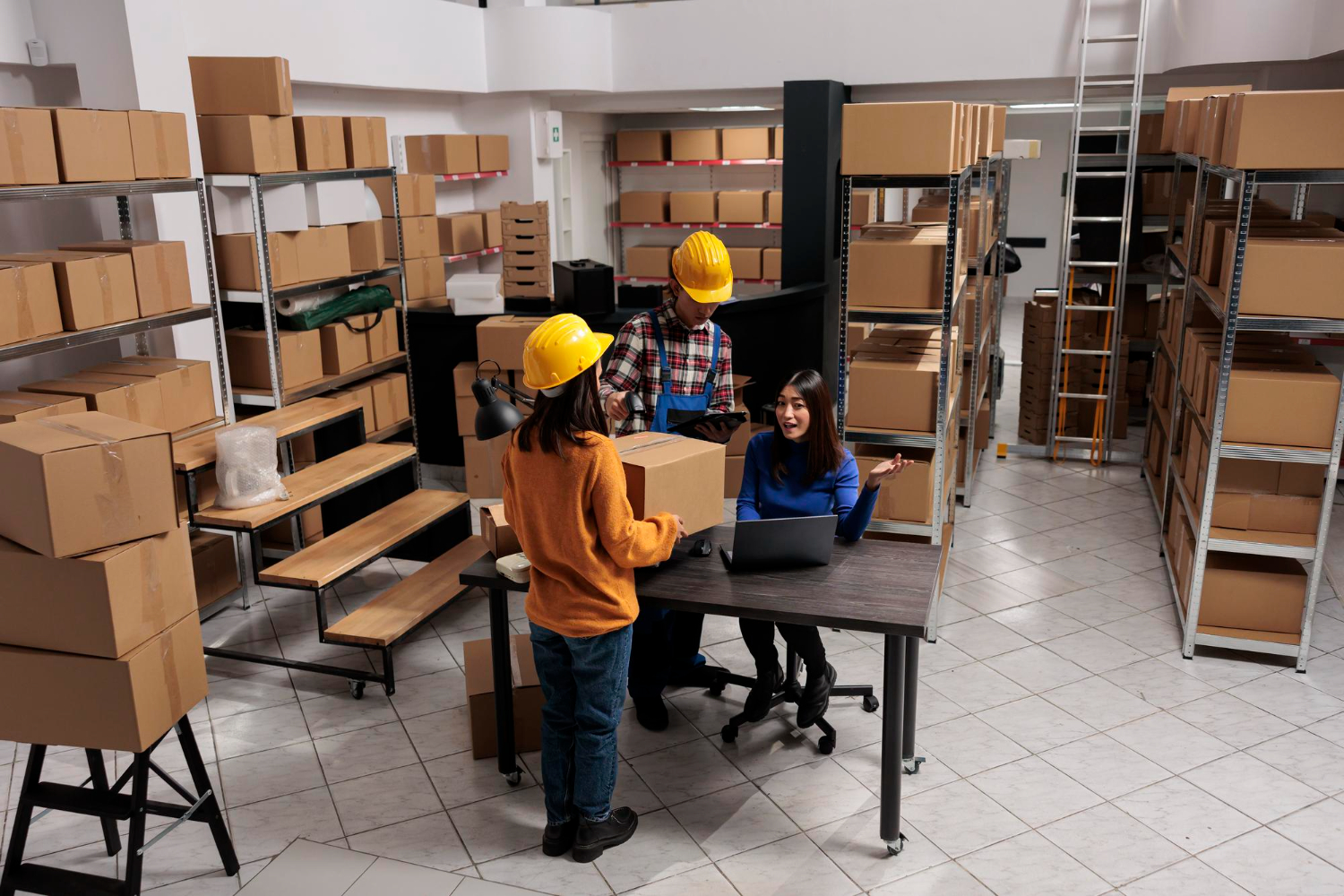
As inventory builds, the space we use to pack and ship starts shrinking. What was once a clear work area turns into a maze of boxes. This eats into time and makes small tasks feel bigger than they are.
But when stored goods are easy to find and easy to reach, jobs stay simple. Just having wide shelving, simple labels, and dedicated zones can make a difference. We’ve noticed a few things that help:
- Fast-moving items in easy-grab areas for quick order filling
- Clear paths from shelf to packing table to loading dock
- Grouping items in a way that matches our everyday routine
This kind of flow matters most during those fast spring weeks. When pickups happen back-to-back or we’re trying to fill last-minute orders, we can’t afford to spend extra time tracking things down. A clean, spacious process doesn’t just help speed, it helps reduce the chance of wrong items or missed boxes.
If we plan layout changes in advance, we keep the packing tables and main aisles ready to handle a crowd of orders. Clear space saves time, but it also cuts down on mistakes that come with working in a rush. Even when boxes line up fast, a neat and logical storage setup lets everyone do their part without bumping into extra clutter.
How Layout Impacts Everyday Efficiency
Space by itself isn’t always the fix. It matters how we use it.
We’ve seen that a compact warehouse can still run smoothly if we think vertically, add smart layout shifts, and limit how many steps it takes to carry out daily tasks. A good storage setup keeps things where we expect them to be and makes it easier on the people doing the lifting, sorting, and packing.
Some of the ways we make that happen include:
- Using high shelving to open up floor space
- Making picking routes short and clear
- Separating work zones so people aren’t getting in each other’s way
That layout becomes especially important when things get busy. A day with five shipments and ten pickups doesn’t feel stressful when everything has a spot and there’s room to breathe. Even a small setup can feel like it’s working double if the layout makes sense for how we move.
The connection between layout and workload often surprises us. It’s not about having the biggest warehouse, it’s about placing the right things in the most helpful spots. A simple layout tweak, like moving fast sellers near the loading area or giving each zone a different task, can turn a crowded season into an organized one.
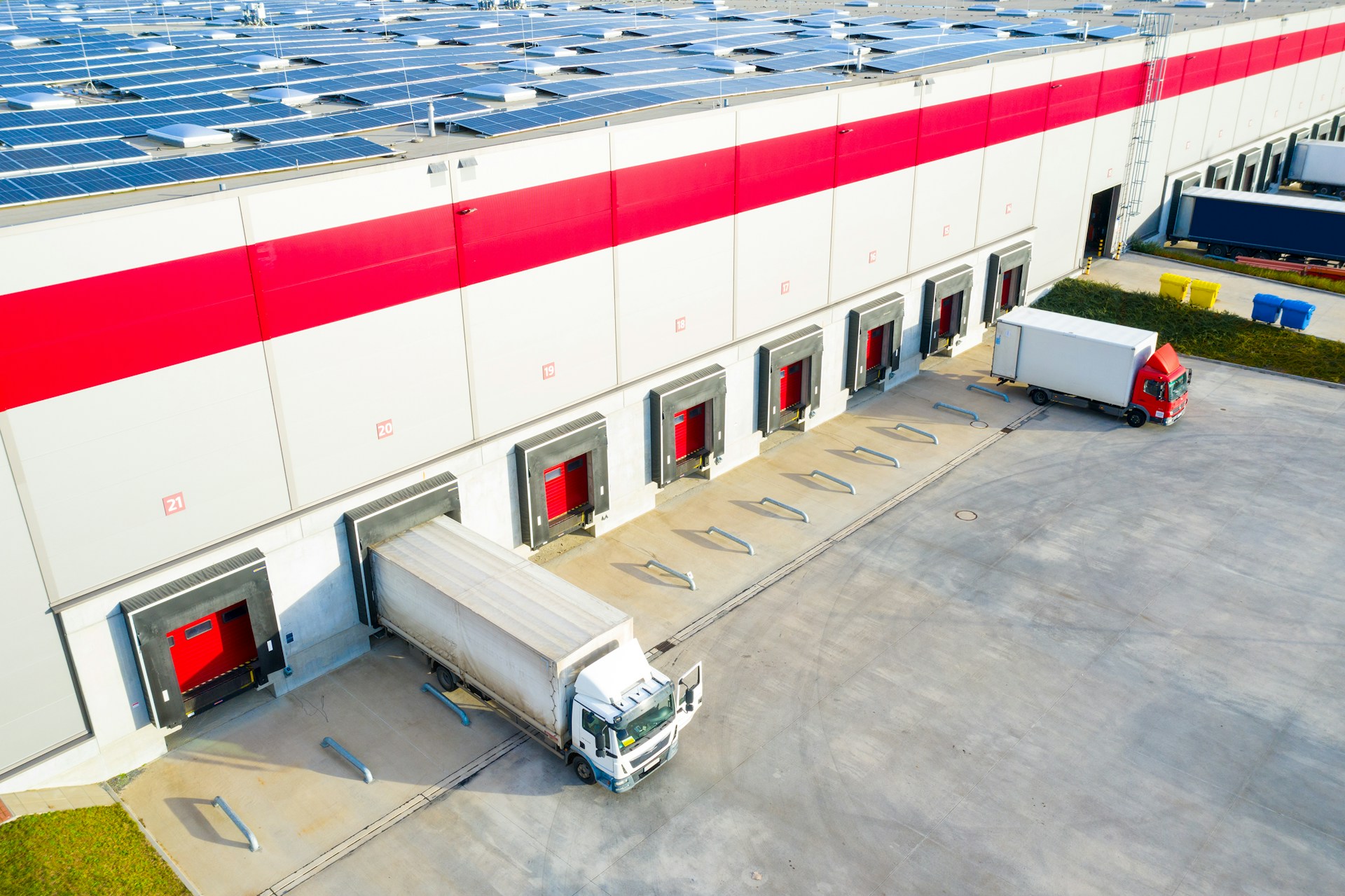
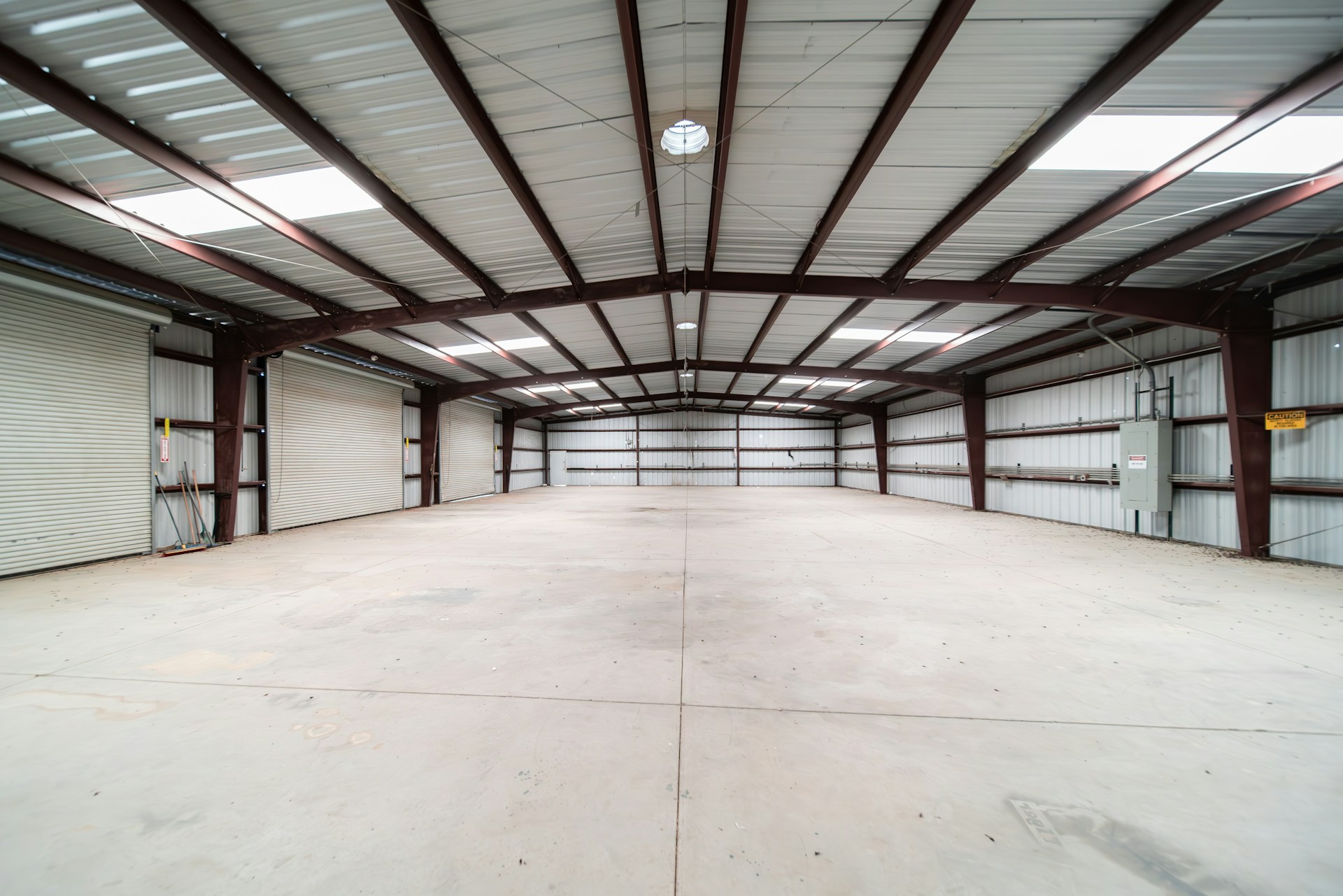
HiveHub’s warehouse facilities in Doral, Florida, include flexible storage layouts with ground-level loading docks, shared equipment, and well-defined zones to simplify inventory management and speed up order processing. Our spaces are designed to support peak-season operations and minimize delays during high-volume periods.
Prepping for More Than Just This Week
Overflow problems don’t always come from one bad day. They often build when we’re not set up for what’s ahead. The end of spring and the start of summer tend to bring their own pace, and the ones who plan for that now usually feel more steady once June rolls in.
Using warehouse storage to support growth means we’re not just stacking boxes. We’re creating some buffer. That lets us:
- Stage new promotions without rushing to clear the old
- Keep returned or outdated items out of picking areas
- Shift seasonal stock to its own section for easier sorting
That breathing space gives us time to plan without pressure. We don’t have to rearrange everything overnight or toss late-arriving inventory in a corner. Instead, we stay ready for growth and the surprises that come with it.
A warehouse that thinks ahead for busy seasons helps us avoid the weekly scramble to make space. The difference between always feeling like we’re catching up and actually staying on top is in the way we use those extra shelves, buffers, and open spots. It’s never just about this week, it’s about giving ourselves enough flexibility for when things pick up or slow down without disrupting the whole flow.
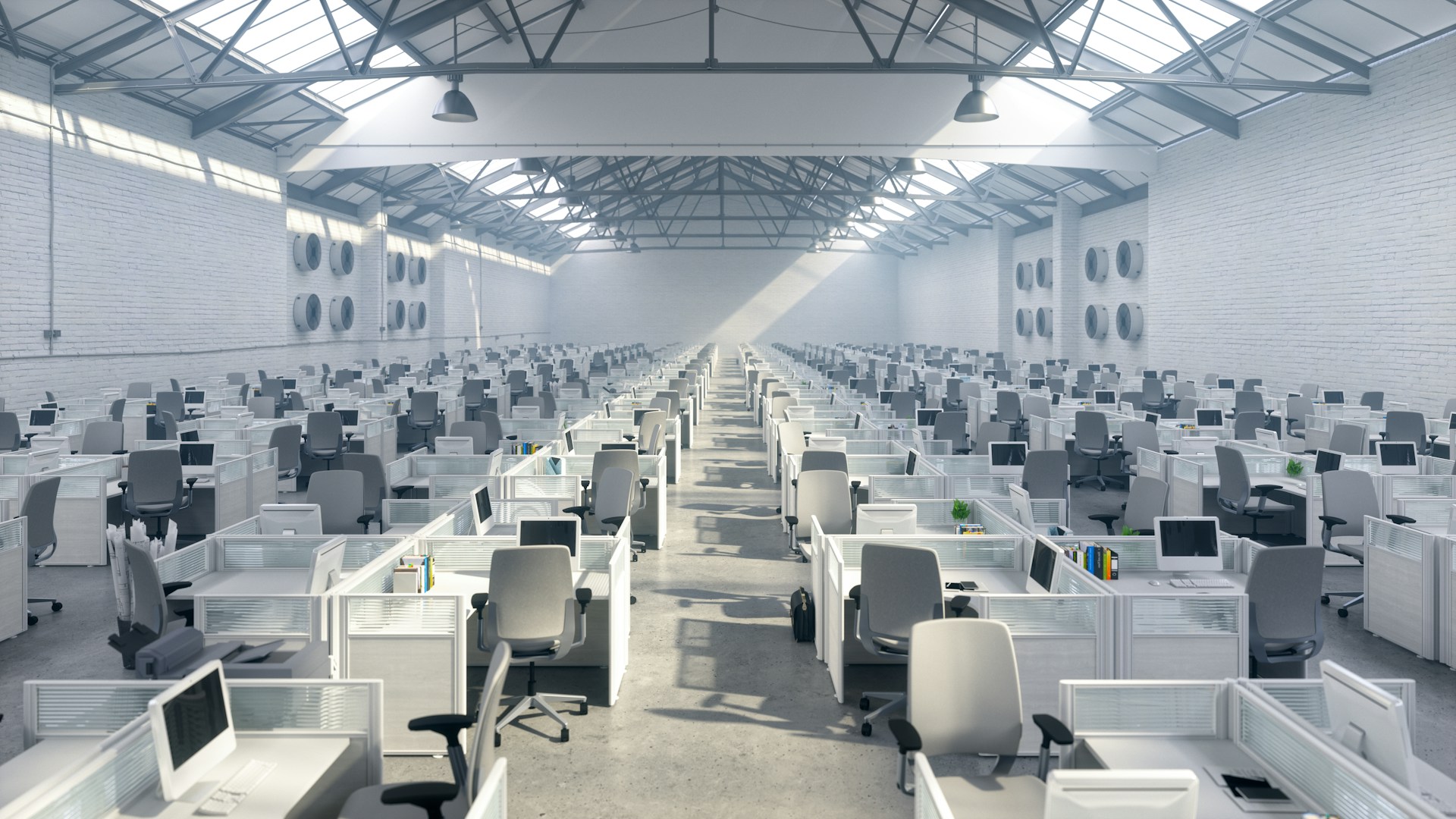
HiveHub provides small and growing businesses with access to both secure storage and configurable office space under one roof, so your team can adapt to busy seasons and keep workflow moving across every department.
Plan for Overflow, Plan for Growth
Overflow doesn’t have to stop our day cold. If we’ve made space for it, both physically and in the way we move, then it becomes part of the rhythm.
The right setup supports work that feels smooth. Orders move out without fuss. Shipments get sorted without blocking walkways. And when things speed up in places like Doral, FL, we don’t feel like we’re playing catch-up, we feel like we’re already ready.
When our storage works for the way we work, even a busy season feels manageable.
Staying ahead during the busy spring season in Doral, FL, starts with the right warehouse setup. Working around excess inventory or crowded pickup zones can be a challenge, but optimizing our layout keeps operations steady even as shipments arrive back-to-back.
Every aspect of flow, storage, and workspace begins with how we manage our available space. To see how we approach storage space in warehouse environments built for growth, reach out to HiveHub today.