Leasing a warehouse for the first time can feel like a big step. Whether you’re expanding from a home garage, outgrowing a cramped storage unit, or just getting your business off the ground, landing the right warehouse can open up new opportunities. But before jumping into a lease, it helps to know what you’re really getting into. Being informed makes it easier to ask the right questions, avoid setbacks, and find a space that lines up with how your business actually works.
Doral, Florida is a popular spot for warehouse leases because of its access to major roads, trade routes, and a surge in new businesses. But with options all over town, it’s easy for first-time renters to get overwhelmed. If the location looks good but the layout is wrong, the whole setup can turn into a daily pain. From figuring out how much square footage you’ll really use to comparing utilities across sites, there’s a lot to consider. Breaking the process into steps makes it manageable and much more realistic.
Understanding Your Needs
Instead of guessing how much warehouse space you need, start by looking at your current setup. What do you have now that works? What slows you down? Make a list of what you’re storing, how often you move things in and out, and how many people are working on-site. That will give you a clearer picture than going by square footage alone.
Think through your core needs:
– Are you storing small items that need shelving, or large equipment that needs open floor space?
– Do you need a climate-controlled area for sensitive materials?
– Is on-site office space important?
– Would you benefit from loading docks or ramp access?
Once you’ve listed your must-haves, decide which things are nice to have but not required. Maybe you’d prefer a location near major roads, but it’s not a deal breaker. Or maybe you’re okay without large parking if your staff size is small. These “nice-to-haves” help narrow down your options without cutting out spaces that could still work well.
It’s also worth thinking beyond where you are now. Will your inventory grow over the next 12 months? Are you planning to bring on more staff? Even if you’re not sure how much growth to expect, putting some flexible space into your plan can save you another move later. One small business we worked with started out storing supplies in just one corner of a warehouse but expanded within six months to use the full space. With some room to stretch, their team didn’t have to slow down during the growth.
Budgeting And Financial Planning
Signing up for a lease without knowing the full cost can be risky. Warehouse leases aren’t just rent. There are other costs to factor in, and skipping over them can leave your budget stretched too thin. Start by figuring out how much you can realistically spend each month, then look at the full picture of what leasing includes.
Here are some key costs to think about:
1. Rent: Most leases are based on price per square foot. Make sure you understand what’s included in that price.
2. Utilities: Electricity, water, and possibly garbage removal might be separate charges.
3. Maintenance: Some landlords cover repairs, others expect you to handle wear and tear.
4. Property insurance: Depending on the lease, you may need to carry your own coverage for damage or liability.
5. Security or access systems: If your space is part of a larger complex, shared security might be billed monthly.
6. Improvement or customization costs: If you need racking, office partitions, or special wiring, that may be on you.
Don’t hesitate to ask future landlords about what’s covered and what’s not. The more details you get upfront, the easier it is to plan for steady costs each month. Once you know what you’re working with, you’ll be in a stronger position to negotiate. Maybe a landlord will agree to cover certain upgrades, or give you a better rate for signing a longer lease. Jumping on the first offer may box you into terms that could’ve been adjusted.
If you’re working with a limited budget, look for value rather than just low price. A warehouse space that’s a bit more expensive but doesn’t need heavy modifications could save you time and money in the long run. Keep things realistic, but flexible. Having a clear sense of your financial limits will help everything else fall into place.
Location Considerations For Doral, FL
Where you lease your warehouse matters just as much as the space inside. For first-time renters in Doral, Florida, location impacts everything from delivery timelines to employee commutes. Since Doral connects easily to major highways and is close to the airport, it’s a strong pick for businesses with suppliers or customers throughout Miami-Dade County.
Start by thinking through the daily flow of goods and people. If shipments go out every morning, you’ll want to be near main roads that don’t get heavily backed up. If most of your team lives in West Miami or Hialeah, trying to save on rent by picking a far-out spot could lead to more turnover and late arrivals. Local traffic patterns, like mid-morning backups or rush hour choke points, also deserve a closer look during your decision process.
Check how close you are to:
– Major delivery routes like Florida’s Turnpike, NW 87th Avenue, and the Dolphin Expressway
– Miami International Airport if you’re shipping by air
– Gas stations, convenience stores, hardware suppliers, or other regular stops
– Residential neighborhoods where current or future staff may live
Walkability may not be a deal breaker, but good street access helps when coordinating drop-offs, loading trucks, or bringing in outside contractors.
It’s easy to underestimate how much time bad access can eat up. One warehouse may look appealing on paper, but if drivers have to circle the block just to find a reliable unloading spot, it quickly becomes a hassle. A solid location in Doral can help your business move smoother, even if the lease ends up costing a bit more.
Inspecting And Selecting The Right Space
Once you’ve narrowed down a few choices, it’s time to see them in person. Photos don’t show everything, and walking through the space gives you a real feel for how your business could operate from day to day.
Look for things like:
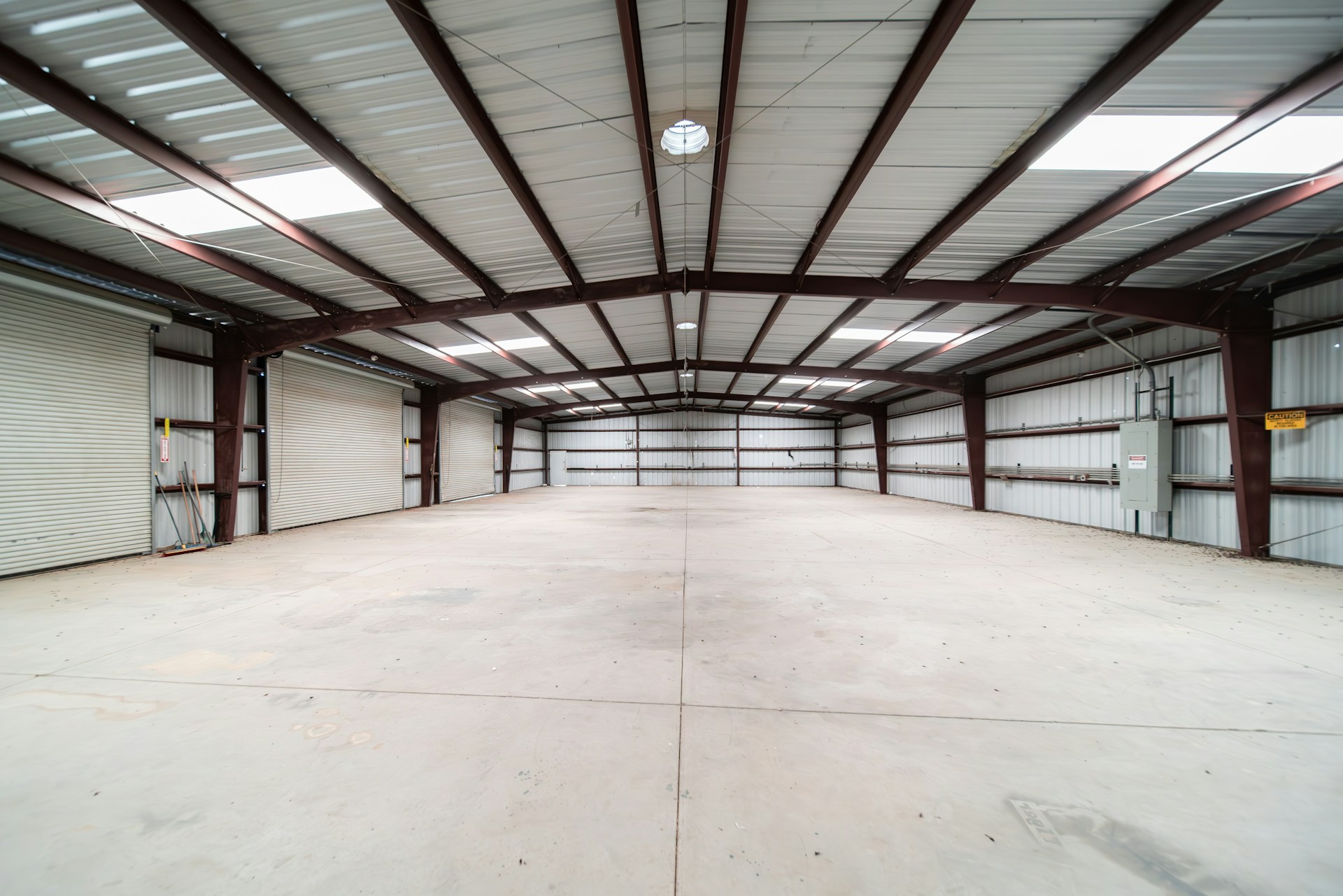
– Ceiling height, especially if stacking or racking is part of your layout
– Ventilation and lighting
– Power supply and outlet locations
– Visibility of damage, leaks, or structural wear
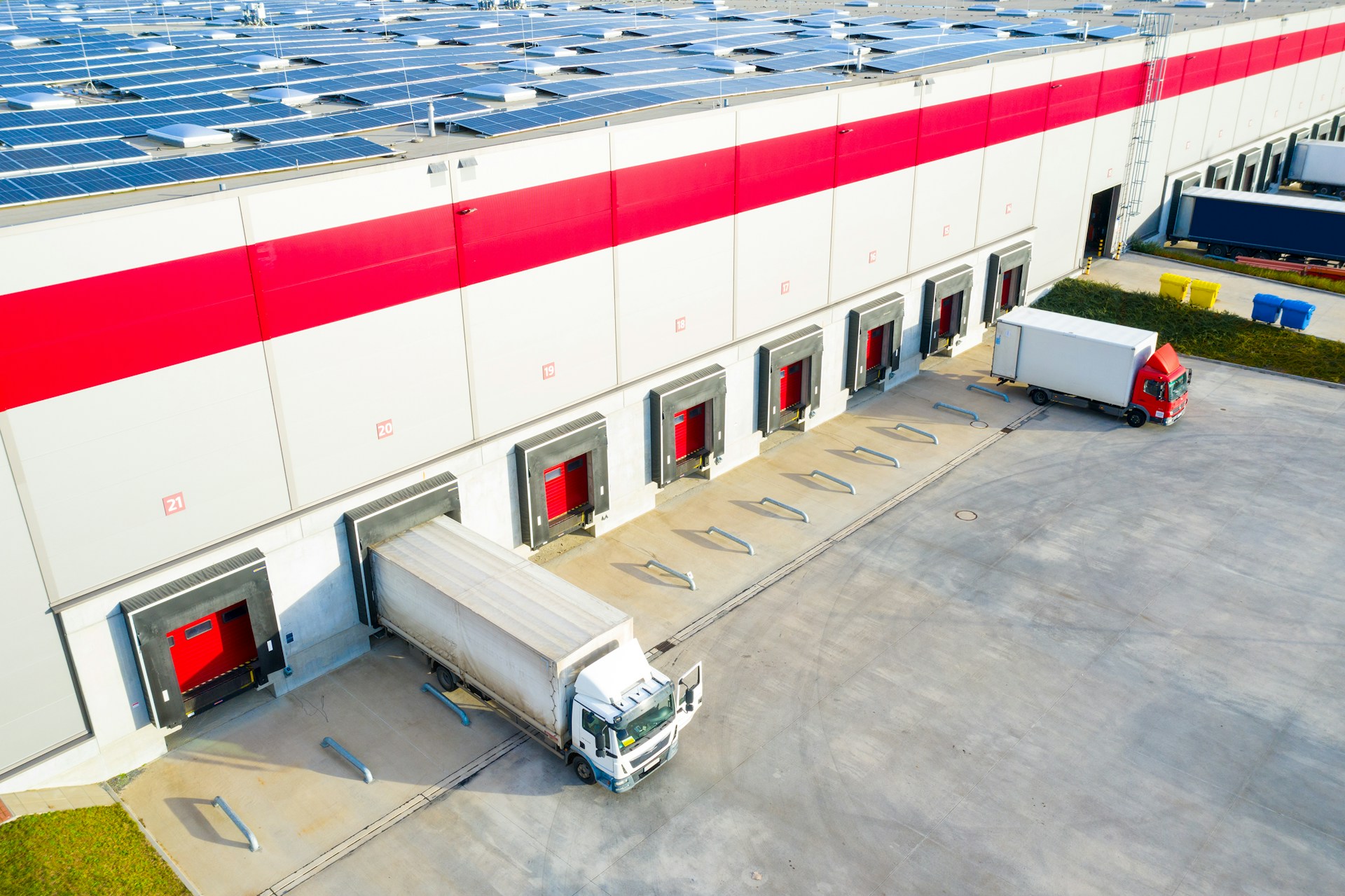
– Entry and exit points for personnel and trucks
Try to picture your team carrying out regular tasks on the floor. Is there room for equipment to move safely? Do forklift paths make sense? Could the sound levels from machinery or HVAC systems cause problems over time?
Don’t be shy about asking landlords direct questions like:
– When was the roof last inspected or replaced?
– Who handles repairs for plumbing or electrical issues?
– Is there pest control service built in?
Some renters bring along a contractor or commercial property advisor during walk-throughs. Even if it costs a little extra, having a second opinion may help you spot issues that could go unnoticed in a quick tour. Surprises after lease signing are much harder to deal with than catching things early.
Tailoring Your Lease Agreement
Commercial leases aren’t cookie cutter. They leave room for negotiation, and your first lease should work for you, not against you. Ideally, the agreement protects your business without stuffing in vague obligations or shifting too much responsibility onto your end.
When reviewing lease terms, zone in on:
– Rent structure: How is it calculated? Is there a yearly bump?
– Length: Is it a short-term lease or a multi-year obligation?
– Maintenance: Who handles routine fixes versus major issues?
– Use restrictions: What activities, materials, or hours are limited under the lease?
– Modifications: Can you alter the space? What’s the process for getting approval?
Watch out for added charges labeled as CAM or common area maintenance fees. These can vary and sometimes cover shared elements like hallway cleaning or exterior lighting.
If something feels confusing, ask for a clearer version. The lease should lay out all responsibilities clearly, so there’s no guesswork about who handles what.
Signing a lease can feel stressful, but getting a lawyer to review it before you commit is smart, especially if you’re leasing for the first time. A one-time review could catch terms that conflict with your business plans or open-ended language that might cost you down the road.
Making Your Move Seamless
Once you sign the lease, your next job is making the move as painless as possible. Changes like moving large equipment, shifting inventory, or getting staff settled can get chaotic if not planned out from the start.
Break down your move into basic phases:
1. Prep your new space: Clean, repair, or modify the building before bringing anything in
2. Set up utilities and security: Get power, internet, access control, or cameras installed so nothing slows you down later
3. Create a move-in schedule: Avoid downtime by spreading your move over a few days or having teams focus on different zones
4. Label everything: Boxes, parts, and tools should be labeled by area or team to prevent confusion
5. Communicate with your team: Keep everyone updated on move dates, tasks, and expected changes
Spending some time on layout planning can also go a long way. Set up shelving where your team naturally walks. Locate your workstations where light and ventilation work best. One small business in Doral saved time by sketching their warehouse layout with sticky notes before moving a single box.
You don’t need a perfect system on day one. But small steps like tested lighting or traffic flow can make a big difference by day ten.
Your Doral Space Should Work For You
Leasing your first warehouse space in Doral can feel like a lot, but it doesn’t have to be hard. With a bit of planning and the right checklist, you can move forward confidently and avoid common headaches. Every warehouse doesn’t need to be huge or flashy. It just needs to match how your business runs so you can keep work flowing without second-guessing the setup.
Whether you’re staying small and steady or thinking big about future growth, picking the right space now helps set a strong base later. As Doral continues to grow, smart renters can take advantage of the location and flexibility the area has to offer. With the right space and lease in place, you’re in a better position to stay focused on your business instead of your warehouse.
Looking for the perfect fit when leasing a warehouse? HiveHub can simplify your search with the right warehouse space for lease near me. With options available in Doral, Florida, you’ll find a location that supports your business goals. Explore our flexible spaces and see how our team can help you get settled without a hitch. Let’s make your move seamless and your operations efficient today.