Security is one of the most important parts of operating a commercial warehouse space. Whether you’re managing inventory, shipping orders, or housing equipment, just one weak spot in your security setup can lead to unnecessary delays or losses. In places like Doral, Florida, where businesses run at a fast pace, overlooking even a small security detail can disrupt day-to-day operations and cost more than just time.
Commercial warehouse spaces have a few common vulnerabilities that can be easy to miss if you’re focused on growth and logistics. Doors left unlocked, dimly lit parking areas, or not knowing who has access to your space can all contribute to bigger problems. The good news is that most of these security issues have simple, effective fixes. Knowing what to look for is the first step toward protecting your space.
Unsecured Entry Points
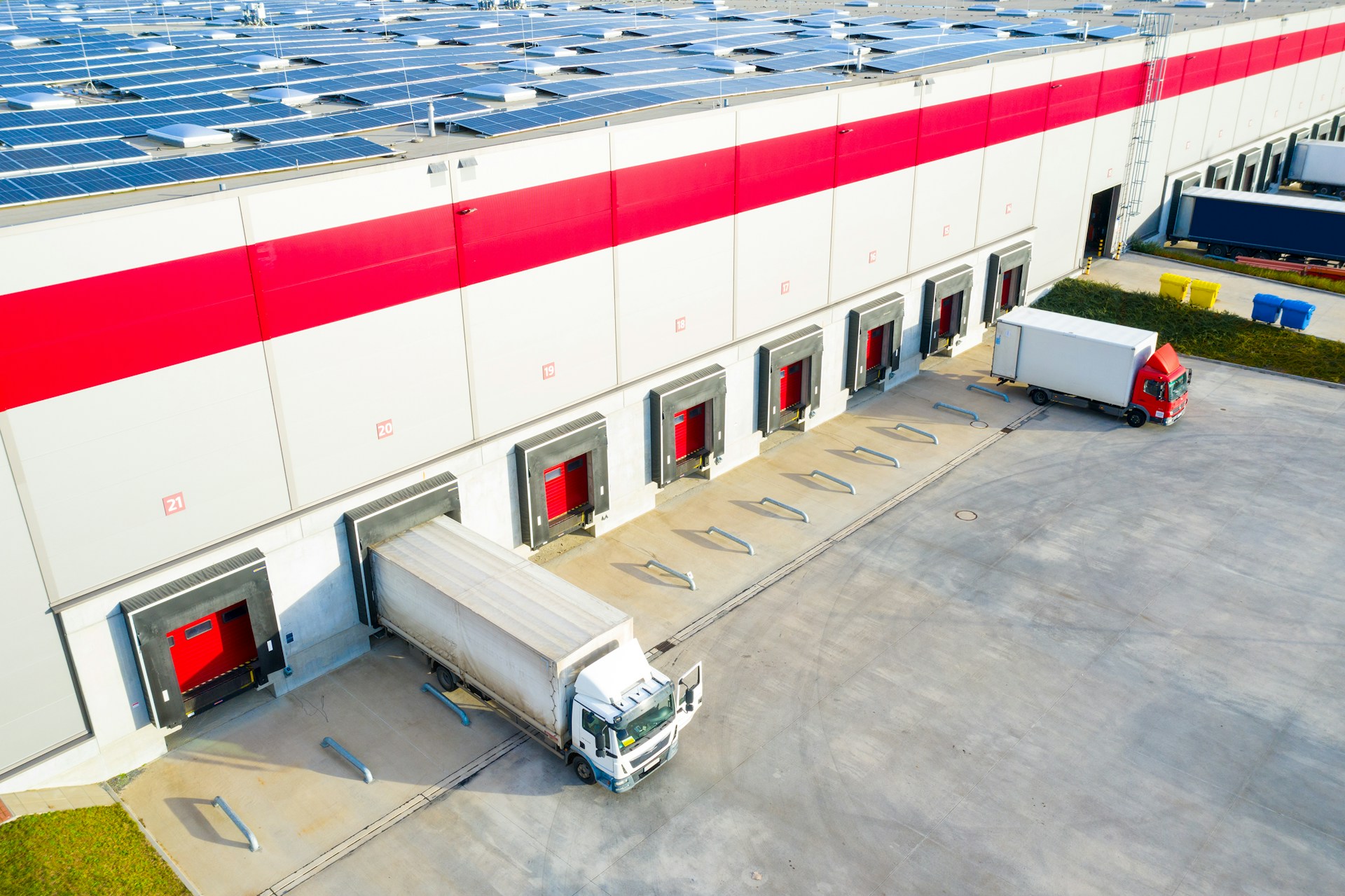
When it comes to warehouse security, the physical entry points should be your first checkpoint. These spots are often left unguarded or aren’t reinforced enough, especially in older buildings or shared spaces. It’s not just the front door you need to think about. Every door, loading dock, window, and side exit plays a role in how secure your space is.
Here are a few common entry points you should inspect regularly:
1. Employee and visitor entrances
2. Loading docks used for deliveries and pickups
3. Roll-up or overhead doors
4. Ground-level windows
5. Back or emergency exits
A big mistake many businesses make is assuming that because a warehouse is in a gated business area, it’s already secure. But even one unlocked back door can compromise your entire setup. Reinforcing doors with steel frames or deadbolt locks and warning signs can make a big difference. Using metal bars or tamper-resistant locks for windows also adds another layer of protection.
Gated loading docks can be helpful, but make sure those gates stay locked when not in use. Motion-sensor lights near all entry points can also discourage unwanted visitors and make blind spots easier to spot at night. Even placing visible camera shells near these areas, whether real or decoy, can help deter unwanted behavior. Consistency in checking these entries is where a lot of businesses fall short.
Lack Of Surveillance
A warehouse that isn’t being watched is one that’s harder to protect. You can only be in so many places at once. That’s where a good surveillance system steps in. Cameras, motion detectors, and real-time alerts help fill in the gaps when you’re not around.
There are a few reasons people don’t set up proper surveillance. Sometimes it’s due to cost, or they figure someone on-site is keeping an eye out. But cameras do more than record events. They help prevent things from happening in the first place. Just knowing there are cameras can make someone think twice before causing trouble.
The most useful places to have surveillance include:
1. Loading dock bays and delivery areas
2. Entrances and exit points
3. Inventory storage zones
4. Parking lots and surrounding fences
5. Inside shared hallways or break rooms
Make sure any system you install has storage features and allows for remote checks. It’s also smart to position at least one camera where it can see and record the time of day and people entering or leaving. This helps with tracking patterns and reviewing footage if something unusual ever happens.
If you rely on third-party teams for shipping or cleaning, cameras can also help confirm when jobs are being done and whether any areas are being accessed that shouldn’t be. Surveillance becomes your backup eyes, even when the warehouse is closed for the night.
Poor Lighting
Bad lighting is like an open invitation for problems. When areas around a commercial warehouse space are dim or completely dark, it becomes harder to notice anything wrong. Thieves, wild animals, and even accidents are more common in places where visibility is low.
Inside the warehouse, dark corners and narrow hallways can become safety concerns for workers. Outside, driveways, storage yards, and perimeter fences should all be clearly visible. It’s not just about visibility either. Well-lit spaces make people feel safer and discourage unwanted activity.
To give your space a lighting boost:
1. Choose LED lights for brighter and longer-lasting results
2. Add motion-sensor lights around doors, gates, and walkways
3. Regularly check for broken or flickering bulbs
4. Place lights at different angles to avoid shadows
5. Light up exterior walls and building signage
Think about the seasonal changes too. In places like Doral, daylight hours can shift fast as it gets closer to the end of the year. Make sure your lighting schedule is adjusted so no part of your warehouse is left in the dark during peak times or early morning deliveries. It’s a simple fix that makes a difference right away.
Inadequate Access Control
Letting the wrong person through the door, even once, can put your warehouse at risk. That’s why access control matters. It shapes who gets in, where they can go, and when they can be there. Without clear control, it gets harder to spot misuse, track entries, or prevent internal problems.
Some places try to rely on one master key that’s passed around. Others don’t change their codes for months, even after staff turnover. Both approaches are risky. With so many moving parts inside a commercial warehouse space, you need a system that adapts as your business grows.
Upgrading how you handle access doesn’t have to be complicated. These options can help tighten things up:
1. Swipe cards or key fobs that can be activated or deactivated anytime
2. Digital PIN pads with unique codes for each employee
3. Biometric systems using fingerprints or facial scans
4. Permission levels based on roles, so not everyone can access each zone
5. Visitor logs or check-in apps that record temporary access
If someone leaves the team, their access should end right away. The same goes for vendors or seasonal workers. Keeping a live list of who has active access helps reduce confusion and makes tracking easier during any incident. It’s also smart to do regular resets or audits, especially during busy seasons or when your staffing changes quickly.
In Doral, where shipping schedules stay active year-round, even one missed entry check can lead to inventory loss or downtime. Setting up layers of control keeps your building, your gear, and your operations safe without slowing down your daily process.
Protecting Your Doral Warehouse Starts With Awareness
Commercial warehouse spaces come with a lot of responsibility, and it’s easy to get lost in the logistics and movement of the day-to-day. But security isn’t just about reacting to issues. It’s about preventing them before they start. From making sure entry points are sealed tight, to setting up cameras and installing enough lighting, each step builds a more secure space that supports smoother operations overall.
Managing access, especially in shared or scalable spaces, is equally important. Knowing who’s in your space and when isn’t about being paranoid. It’s about protecting your team, your products, and your peace of mind. Many Doral business owners face these same challenges, regardless of their industry or size.
Every warehouse is different, but the vulnerabilities tend to show up in the same places. Taking the time to review and improve your setup makes a big impact in the long run. It gives your team clarity and gives you the confidence to focus on growth without wondering if you’ll be caught off guard by something that could’ve been prevented.
For Doral businesses looking to upgrade their commercial warehouse space, taking these security measures seriously is your first step to safeguarding your operations. At HiveHub, we understand the unique challenges surrounding this, and our tailored solutions can assist you in creating a secure environment. Explore our commercial warehouse space offerings to discover how we can support your business’s growth and security needs.