Combining storage and office space in a single facility can make things a lot easier for small and growing businesses. A mixed-use warehouse allows teams to handle operations more efficiently without bouncing back and forth between sites. But if the space isn’t divided the right way, it can get messy fast. Shared areas may feel cramped, tools go missing, and productivity disappears under clutter.
That’s why smart space planning matters. With a good setup, a mixed-use warehouse can become a place where teams actually enjoy working. Storage stays in order, office tasks have a quiet zone, and everyone knows where things belong. Whether you’re running an e-commerce business or handling logistics for clients, getting the space layout right can help everything run smoother.
Maximizing Space Utilization
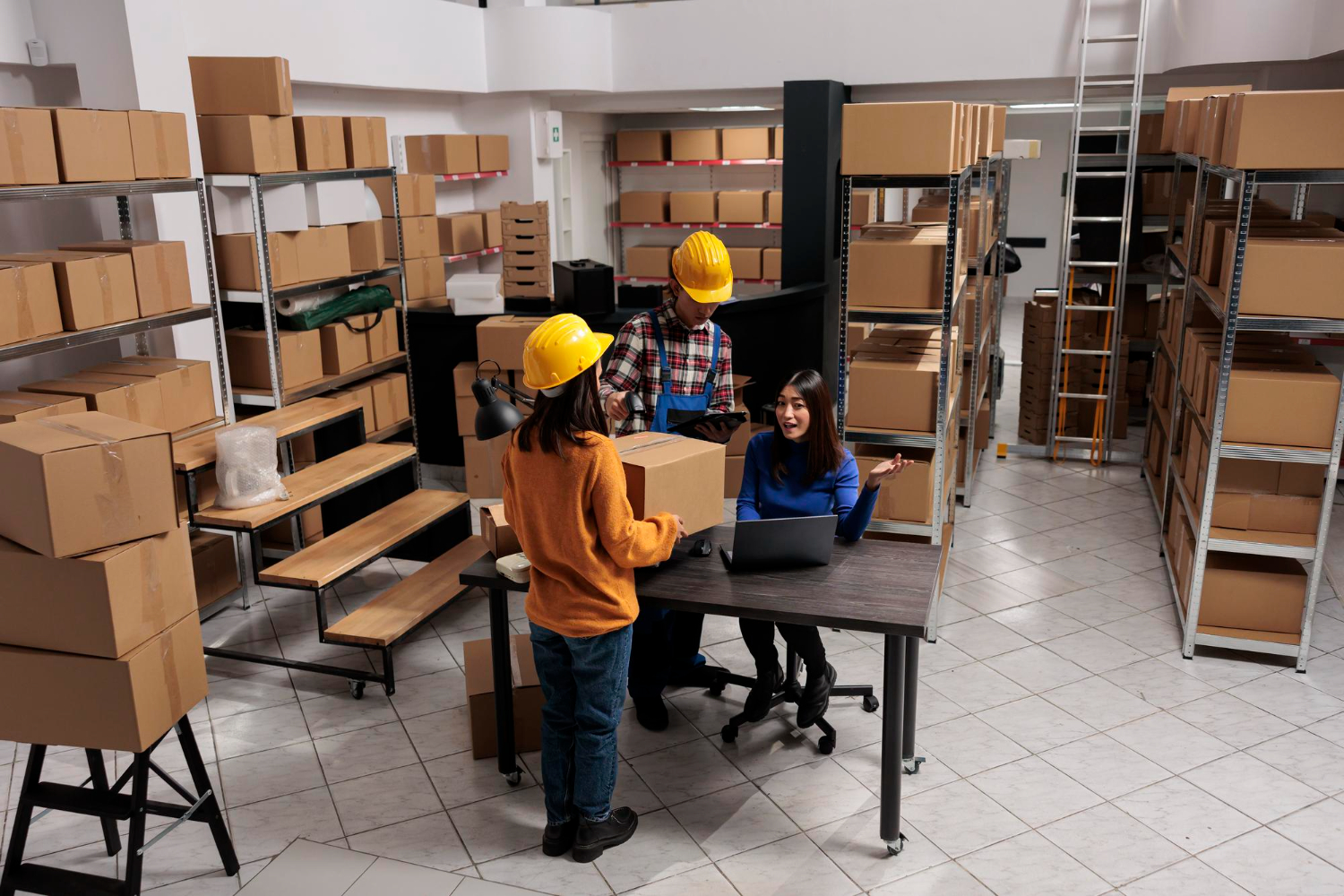
One of the biggest challenges in mixed-use warehouses is giving everything a spot without wasting square footage. A warehouse with office space has to meet both the physical demands of storing inventory and the practical needs of an admin team. Balancing both starts with smart storage planning.
If your inventory shifts with seasons or trends, use shelving and racking systems that are easy to adjust without needing major work. Vertical space is often overlooked, but it can free up floor area quickly. Think of pallet racks that reach high or stacking bins that keep supplies separate without taking up the whole room.
Use tight labeling systems for every zone, shelf, and drawer. If employees waste time tracking things down, that’s already space that isn’t working for you. Keep it tidy, and keep it consistent. Don’t underestimate how clear zone markers and signs can keep operations flowing day to day.
Here are some hands-on ways to make the most of your storage layout:
– Go vertical: Install shelving that uses overhead height, not just floor space.
– Divide by function: Keep shipping supplies, tools, and equipment in their own corners.
– Use storage bins and labels: Clear containers and printed tags help workers find things faster.
– Put high-volume items up front: Items moved daily shouldn’t be stuck in the back.
– Avoid clutter build-up: Schedule regular cleanouts to stop unused items from piling up.
As you get deeper into operations and your team grows, the need for clear space division becomes more obvious. A cluttered warehouse slows down everyone, while a well-organized one keeps things moving at a good pace.
Designated Office Areas
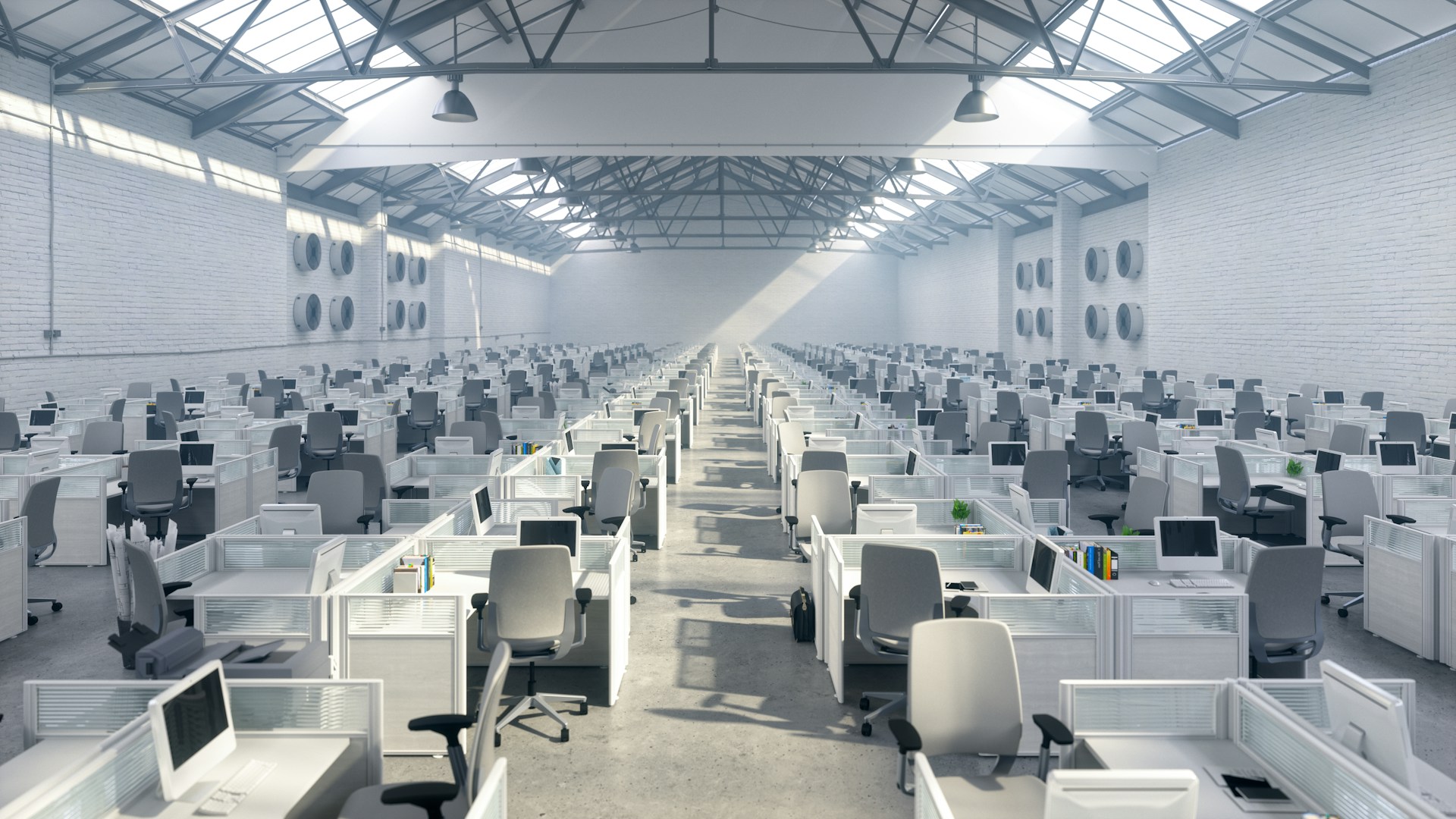
Blending an active warehouse with daily deskwork can get chaotic fast if there’s no boundary between the two. That’s why clearly marked and well-designed office areas make a big difference. They give team members a quiet space to focus, handle paperwork, or lead meetings without the noise and interruption of operations.
A designated office space doesn’t have to take up a large portion of the floor. A few well-placed desks or a small enclosed room can offer just enough privacy to keep administrative tasks moving. Position office areas near entrances so foot traffic doesn’t cut straight through work zones, and protect them from high-traffic warehouse lanes when possible.
Think about what your team needs most in that space. Here are a few layout tips that can support comfort and productivity:
– Use partitions or full enclosures to block out noise.
– Include enough lighting for screen work without relying on harsh overhead units.
– Choose layouts that allow for quick check-ins between management and floor teams without constant back-and-forth.
– Keep essential equipment like printers and file storage within arm’s reach.
– Plan for Wi-Fi coverage or hardwired connections that won’t drop off near exterior walls.
One small business in Doral learned quickly that leaving desks in an open warehouse corner wasn’t sustainable. Forklifts whirring by, phones ringing, and people shouting instructions made it impossible to concentrate. Once they enclosed the area with simple modular walls and added some soundproofing panels, the workspace became a team favorite.
Building a thoughtful office zone lets both sides of the business do their job without stepping on each other’s toes. It’s less about size and more about using space in a way that helps people get work done.
Flexibility And Adaptability
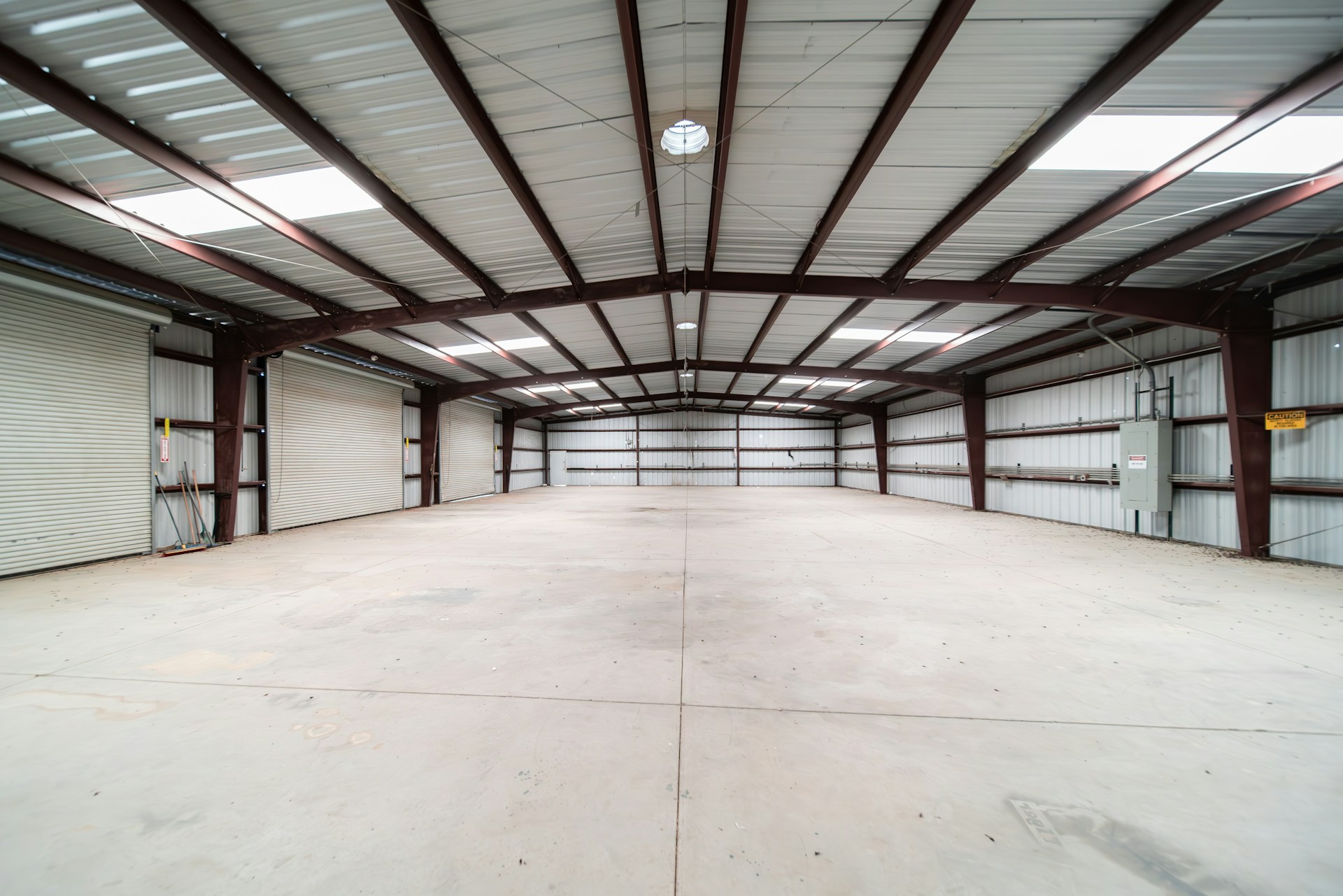
Mixed-use warehouses need to shift with the business. As teams grow, product lines expand, or new types of clients roll in, space should be ready to change too. This is where flexibility comes in. You don’t need to knock down walls every year, but investing in areas that can serve more than one purpose can save time and money later on.
One way to keep things flexible is to use modular layouts. With movable tables, mobile shelves, and rolling partitions, teams can reconfigure different areas in just a few hours. Breakrooms can double up as meeting zones. Packing stations can take on new roles during seasonal inventory changes. When layouts are easy to change, it’s easier to respond to whatever the workflow throws at you.
Try working these ideas into your setup if flexibility is the goal:
– Use foldable desks or tables that can be stored when not needed.
– Pick shelves or racks on wheels. That way, zones can shift without a forklift or contractor.
– Pick partitions that can slide out of the way for group meetings or projects.
– Design a few overflow spots for workstations that only pop up during busy weeks.
– Keep wiring and outlets along the walls and floor joints so you can move electronics easily.
One warehouse in Doral made a point of installing movable desks along their perimeter. During slow periods, those same desks are relocated to the center and used for sorting weekly freight. That kind of flexibility helps the team stay productive without cramming new tasks into spaces that weren’t built for them.
Flexibility doesn’t mean confusion. Walking into a warehouse should never feel like stepping into chaos. Instead, flexible areas should feel intentional and ready for work.
Safety And Accessibility Considerations
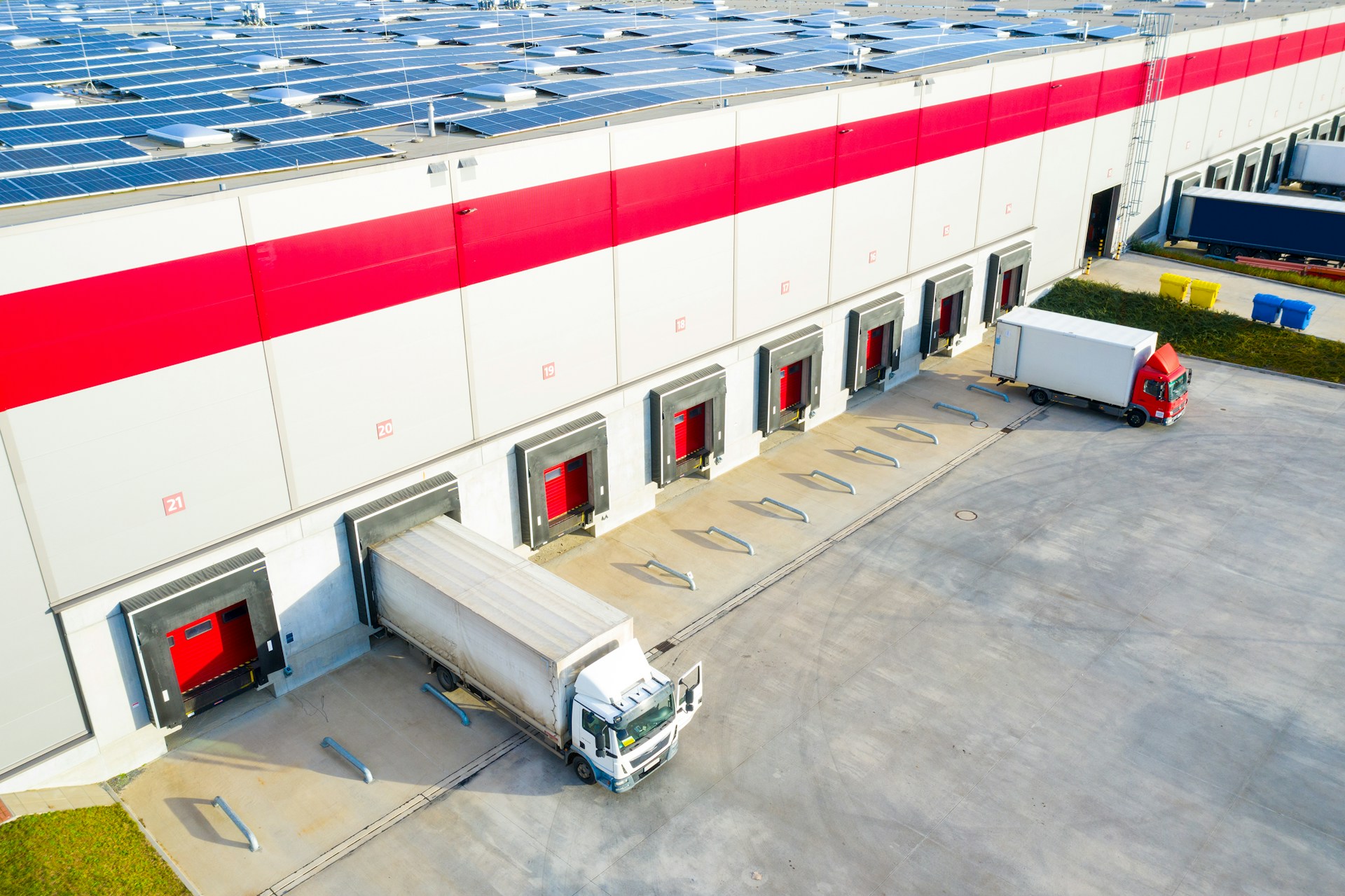
No matter how clever your setup is, it won’t hold up if people can’t get around safely. In a shared space where shipments arrive and office work happens in the same building, movement paths make all the difference. From forklifts moving stock to team members walking between offices, everyone needs to know where they can go without something blocking their way.
Start by thinking about lines of sight. Keep corners clear and equipment low near heavy traffic areas. Loading docks, emergency exits, and supply zones should be easy to reach without weaving through cubes or crossing pallet lanes. Every area should also be lit well. You don’t want a dark hallway hiding stacked boxes or gear that’s out of place.
Here’s a simple checklist to help keep your layout safe and open:
– Mark walkways with bright floor tape to guide foot traffic.
– Separate pedestrian paths from vehicle lanes where possible.
– Post clear signage to help with layout direction and emergency points.
– Make sure heavy equipment like forklifts and carts have storage that’s out of the way.
– Set a schedule to check for blocked exits, damaged walkways, or narrowing paths.
Accessibility matters too, even if you’re working with a small team. People should be able to reach their desks without dodging stock. Shared break areas shouldn’t feel jammed with clutter. The faster and smoother people can move, the better they can focus on their work. And when flow works, problems like injury risk, delays, and tension between teams all drop.
A shared warehouse and office space depends on common sense mixed with good structure. It doesn’t take bells and whistles to build a safe, accessible layout. It just takes planning that puts people and their routes first.
Why Better Space Division Pays Off
Running a warehouse with office space means pulling double duty in the same building, but that shouldn’t make daily work feel like a constant balancing act. Dividing space the right way lets both storage and admin needs play their parts without stepping on each other. It keeps the warehouse floor efficient and gives your office team space to think and work comfortably.
As the year winds down and teams start looking at fresh plans for the new year, now’s a good time to rethink how space is being used. A single layout tweak can improve workflow, cut down confusion, and make the place feel less crowded overall. Flexible layouts, smart storage setups, and a strong understanding of traffic flow help teams do more with less.
If your business operates in Doral and needs a warehouse that blends workspace with function, start thinking about the zones you rely on most. Are they helping your staff do their jobs well? Are things safe and easy to find? Better space division doesn’t just speed things up, it can change how your entire team feels about coming to work. A well-planned environment doesn’t shout, it quietly supports the work every day.
To make the most of your warehouse with office space in Doral and ensure a setup that truly supports productivity and growth, consider how adaptable and organized your current configuration is. At HiveHub, we’re committed to providing spaces that bring together the best of both worlds. Our flexible facilities are designed to help businesses thrive by supporting efficient and seamless operations. Discover how our solutions can help your business succeed by exploring our warehouse with office space.