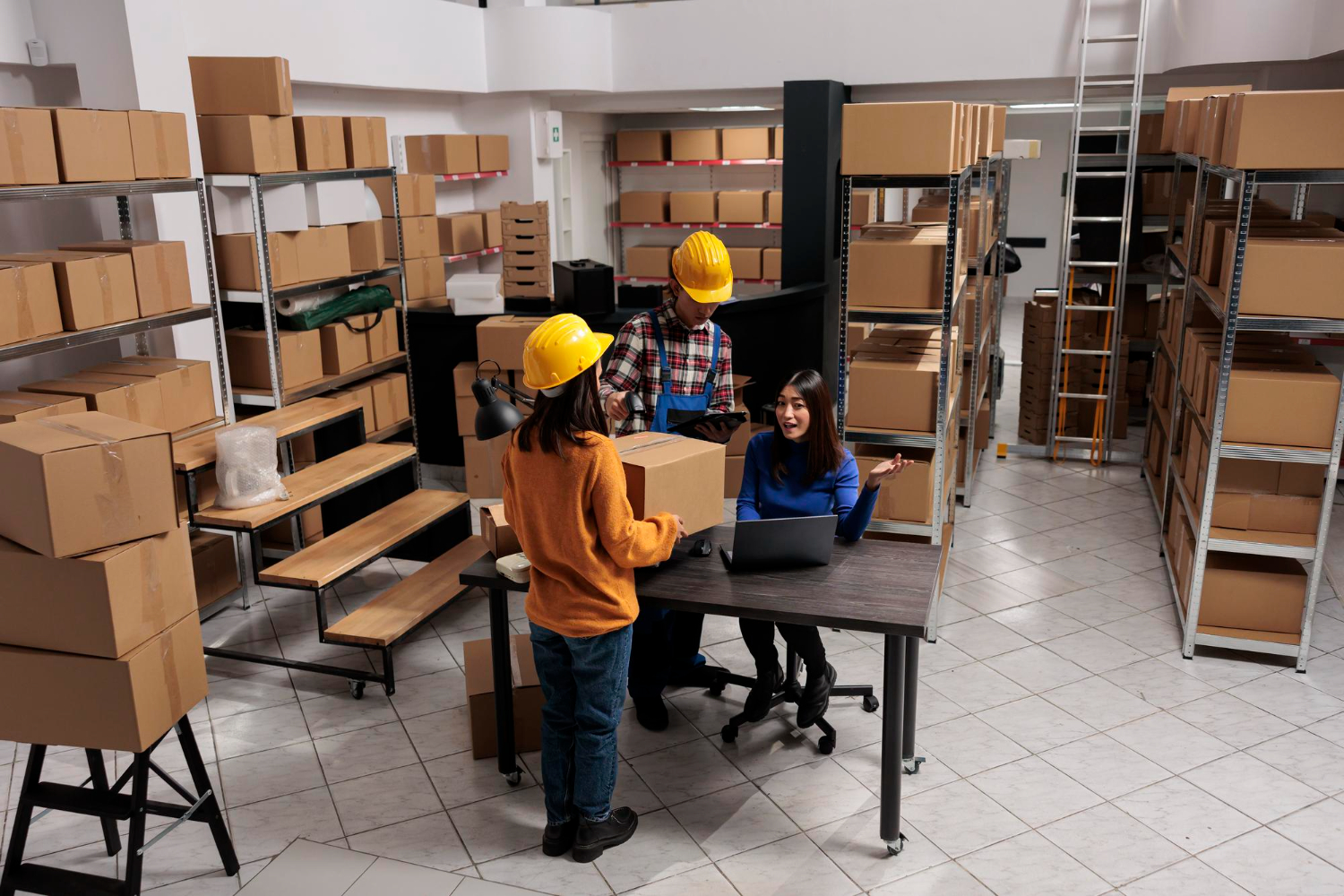
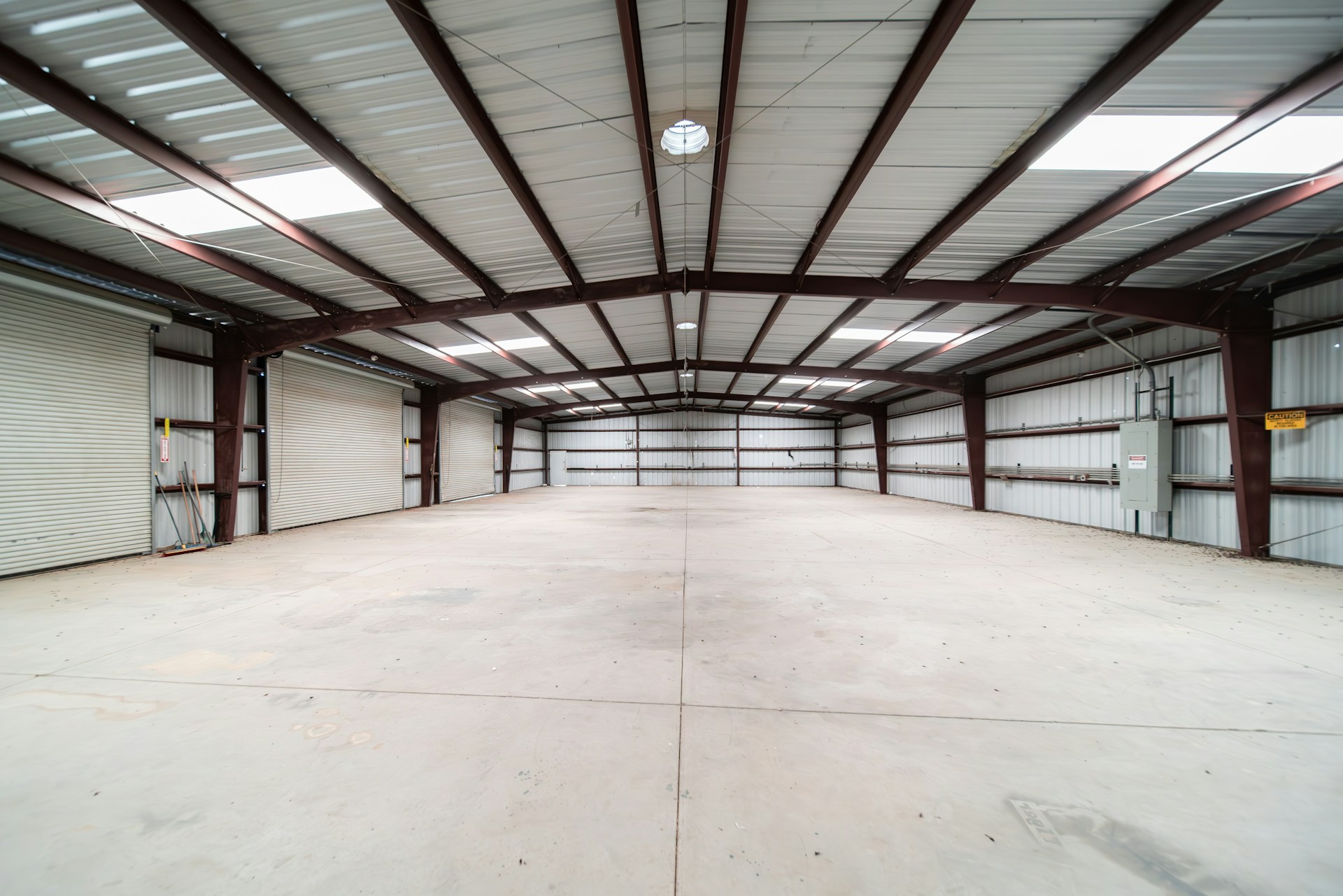
As more businesses grow and shift into flexible storage arrangements, shared warehouse spaces have become an appealing option. They offer a cost-effective way to operate in a well-equipped facility without the burden of full ownership or a long-term lease. But when multiple users share the same warehouse, things can get chaotic fast without a solid plan for space management.
Making the most of every square foot matters. Whether you’re storing finished goods, receiving bulk shipments, or setting up workstations, a well-organized layout helps everything run smoother. It also cuts down on confusion between teams, reduces risk, and supports day-to-day productivity. Space management isn’t just about where to put things. It’s also about how to use that space wisely so everyone can work without stepping on each other’s toes.
Efficient Space Utilization
With multiple teams sharing one facility, trimming down wasted space becomes more than just a good idea. A clean and organized layout avoids overlap between businesses and improves daily operations. The good news is that you don’t need a full redesign to improve warehouse flow. A few smart changes can make a noticeable difference.
Here are some simple techniques that help maximize warehouse capacity:
1. Use vertical space when possible. Tall shelving units, overhead bins, or secure hanging storage can free up entire aisles.
2. Group items by how often they’re accessed. Keep high-use items close to work zones or docks. Store lower-use items in harder-to-reach spots.
3. Avoid putting everything on a single pallet or shelf. Use dividers or stackable containers for different inventory types or owners.
4. Designate returns or overflow areas to avoid pileups that block traffic lanes.
One warehouse in Doral added overflow racks on rolling casters. They could move them out of the way during peak hours, which freed up space at the docks and reduced slowdowns.
You can also separate areas for inbound and outbound workflows or assign lanes for different users. These smaller layout adjustments help avoid confusion and interruptions, especially during busy periods. Regular walkthroughs are valuable, too. Spotting a cluttered corner or underused area early on lets you fix issues before they become real problems.
Clear Zoning And Labeling
When several teams work in the same building, it’s easy for miscommunication to creep in. That’s where clear boundaries, labels, and instructions can make a big difference. A well-zoned warehouse immediately shows workers what should happen where and who uses what area.
Here’s how to set up clear zoning and labeling systems:
1. Assign color-coded zones by business or task
2. Use floor tape or paint to mark pathways and shared equipment lanes
3. Add large, easy-to-read signs visible from a distance
4. Label all shelving with names, numbers, or item descriptions
5. Post loading and unloading guidelines at each dock
If teams handle rotating inventory, consider using magnetic or removable labels. Staff in Doral often work across teams and languages, so signs that are readable in both English and Spanish help avoid mix-ups.
When every group knows their zone, you’ll see less backtracking and fewer misplaced items. It also speeds up training. New workers can get comfortable faster when the warehouse layout makes sense without much explanation.
Safety And Accessibility
In multi-user spaces, safety isn’t just about keeping one team safe. Everyone in the warehouse relies on shared rules and good habits. A safe setup makes the environment better for all teams and helps prevent accidents caused by clutter or confusion.
Start by marking and maintaining walkways. These paths should stay clear and wide enough for employees, carts, and forklifts. Even minor issues like broken boxes or stray shrink wrap can cause accidents.
Here are helpful ways to stay safe and accessible:
1. Place fire extinguishers, eyewash stations, and first aid kits in visible, easy-to-reach areas
2. Keep emergency exits clear and unobstructed at all times
3. Mark dangerous or restricted zones using bright floor tape or paint
4. Make sure lighting is adequate in entryways, loading zones, and corners
5. Post simple instructions near shared machines to prevent misuse
At a warehouse in Miami used by multiple import-export companies, teams had trouble keeping shared aisles clear. After meeting together, they set up daily reset duties. Each afternoon, every team reviewed their own zone and cleaned up anything out of place. The effort paid off with fewer callouts and less frustration.
Pay attention to ramps, shelves, and workstations as well. Whether you have full-time employees or contract help, everyone deserves a space they can use without strain. Open communication during safety walkthroughs helps flag problems before they lead to injuries or slowdowns.
Technology Integration That Supports Smart Operations
Digital systems can work wonders in shared warehouse spaces. When multiple businesses operate under one roof, small errors can quickly become bigger issues. Using simple tech tools helps streamline operations and keeps everyone on the same page.
A Warehouse Management System, or WMS, brings a real-time view to inventory, inbound and outbound orders, and who is using which part of the space. When everyone works off the same system, there’s no need for back-and-forth about what’s missing or who moved what.
Here’s how technology can help keep things organized:
1. Use barcode scanners for inventory check-in and check-out
2. Maintain a digital storage map with clear zones by user
3. Set up alerts for incoming shipments or low stock levels
4. Display monitor boards showing dock schedules or delivery queues
5. Automate billing and reporting by usage or space allocation
You don’t always need a massive software upgrade. In some cases, a shared spreadsheet or checklist app can be enough—if each user sticks to using it consistently.
These tools add transparency. Instead of tracking someone down to find out who left products in the wrong place, a shared system gives answers right away. During months like September, when team transitions often happen, having automated systems also keeps temporary workers more focused and aligned with key procedures.
Creating A Collaborative Environment
When people from different companies use the same space, teamwork plays a big role. A cooperative environment keeps things running even when challenges arise. That includes open communication, mutual respect, and some shared decisions about how the space should operate.
Hosting regular manager meetings, even once a month, is a good first step. It gives everyone a chance to flag any issues, share suggestions, or plan for big deliveries. These check-ins help prevent problems from dragging out or repeating.
Other simple ways to support collaboration:
1. Post shared warehouse rules or etiquette near entry areas and common zones
2. Keep a shared calendar of expected shipments, equipment use, or deliveries
3. Assign lockers, bins, or cubby spaces so small items don’t end up in the wrong hands
4. Plan for shared duties, like cleaning schedules or daily safety resets
Even casual solutions can help. A whiteboard in the breakroom can collect updates, report quick fixes, or remind users about shared tasks. When people feel like they’re all contributing to the success of the space, they’re more likely to speak up early and pitch in. That keeps complaints down and warehouse operations more predictable.
What Keeps Shared Spaces Running Well Over Time
Getting a shared warehouse in shape is one thing. Making sure it stays efficient takes regular follow-up and some flexibility. What works in early spring might not hold up during the holiday rush. As one business grows and another shrinks, it’s key to revisit your layout, schedules, and shared practices together.
Try doing a full layout review every couple of months. Walk the floor with your team—and invite your co-tenants too. Look for areas that feel cramped, cluttered, or underused. Think about what needs may have shifted since the last review.
Creating shared time slots at the docks, updating inventory maps, or moving shelves to make more room may seem small. But these changes help avoid bigger issues down the line and make the warehouse more enjoyable for everyone.
Sometimes it helps to have a fresh set of eyes. Invite someone from another department or business to walk through with you. They might notice patterns or pain points you’ve gotten used to over time.
Many businesses in Doral have found that clear planning, solid systems, and open communication give everyone a chance to thrive in shared warehouse space near them. Taking time to review and improve together helps teams grow without getting in each other’s way.
To experience all these advantages firsthand, explore our shared warehouse space near me with HiveHub in Doral, Florida. Seamlessly integrate your business within our flexible and secure facilities, and enjoy a more efficient and collaborative work environment tailored to your needs. Let’s make your space management effortless and effective.